
Everyone’s focused on the 5.9% shipping rate hikes from FedEx and UPS. They’re looking at the wrong number. The real problem isn’t the base rate. It’s the hidden surcharges quietly eating 20-30% of your shipping budget. That 5.9% General Rate Increase (GRI) is a smokescreen. It’s a clean number for your finance team’s spreadsheet. The real margin killers are the accessorial fees—the surcharges—that are jumping way higher.
A recent freight analysis from Cass Information Systems showed Additional Handling surcharges jumped 25.9%. Delivery Area Surcharges rose 6.3%. Both crush the headline GRI.
Here’s the thing: these aren’t one-off fees. They stack. And they get hit with fuel surcharges, too. This multiplies the cost on every single box you ship. Forget the GRI. Focus on the three fees actually bleeding your P&L.
First is the Address Correction fee.
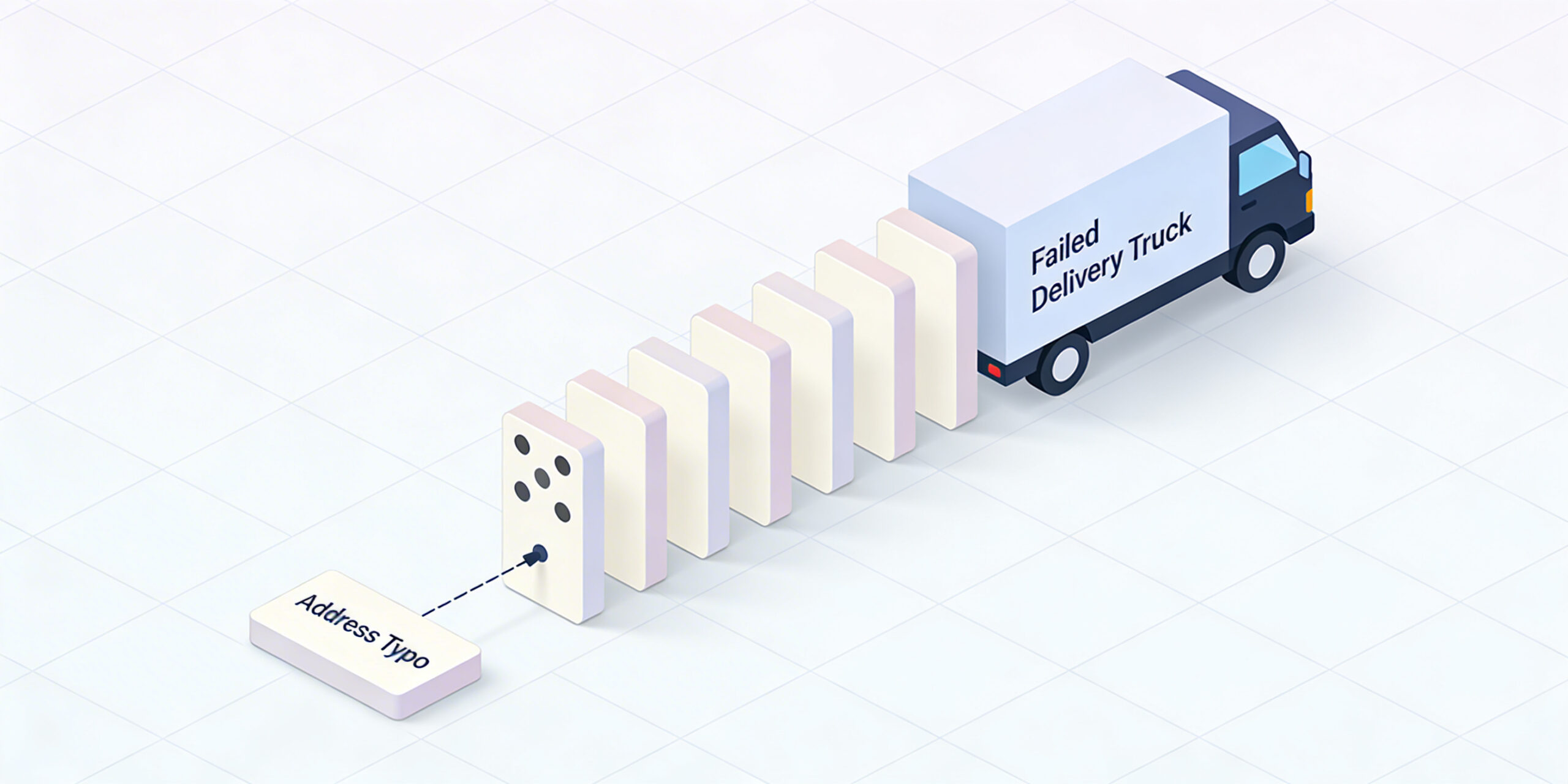
The $24 tax on a typo. One wrong digit in a ZIP code, one misspelled street, one missing apartment number—boom. You get hit. For 2025, the FedEx fee is $24.00. UPS is right behind at $23.50. One customer typo at checkout costs you $24. How many of those do you ship a month? It’s a pure penalty.
Next, Residential Surcharges.
The cost of selling to homes. This hits every B2C brand. It’s a tax for delivering to your customers. In 2025, the UPS Ground Residential Surcharge is up to $6.10. The FedEx Home Delivery surcharge is now $5.95. You can’t avoid it, but you have to factor it into your margins. Most brands don’t.
Then there’s Delivery Area Surcharges (DAS).
The price for remote deliveries. This is the fee for shipping to ZIP codes carriers call “rural.” DAS fees are up 10% in 2025. And it gets tricky. Carriers updated their DAS ZIP code lists in June 2025. More of your customers now live in these expensive zones, even if they haven’t moved. But the invoice line item is just the start. Your true cost per error is way higher. Your true cost per error isn’t $24. It’s closer to $100. The carrier fee is just the start. The real damage comes from ops costs that never show up on your invoice.
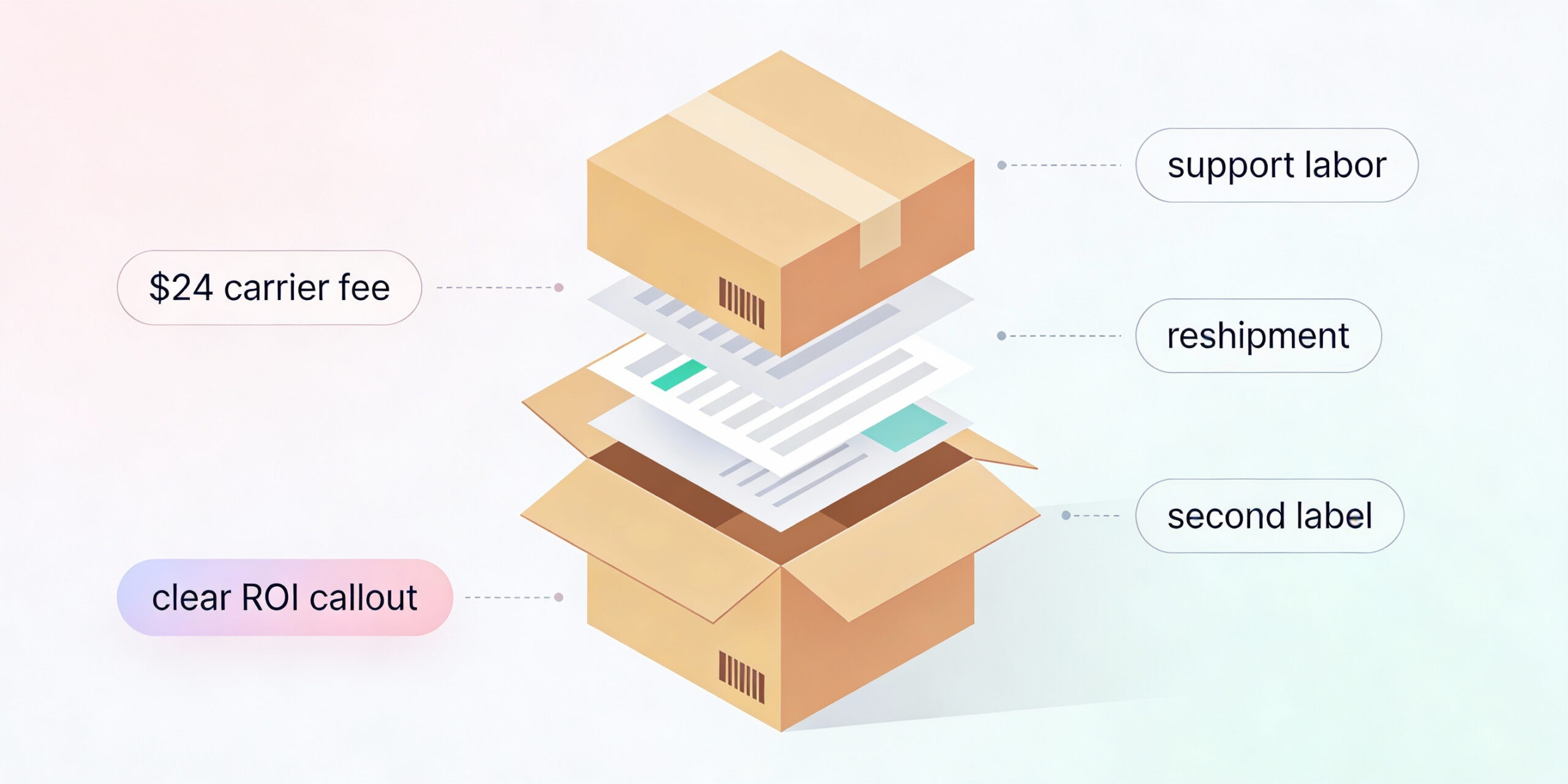
Think about one failed delivery:
FedEx Correction Fee: $24.00
Support Agent Time: + $15.00 (to handle one “Where Is My Order?” ticket)
Cost of Goods for Reshipment: + $30.00
Second Shipping Label: + $15.00
Total Cost Per Error: $84.00 That’s $84 for one bad address. This doesn’t even count the lost LTV when a customer churns and leaves a 1-star review. That one typo can cost you hundreds.
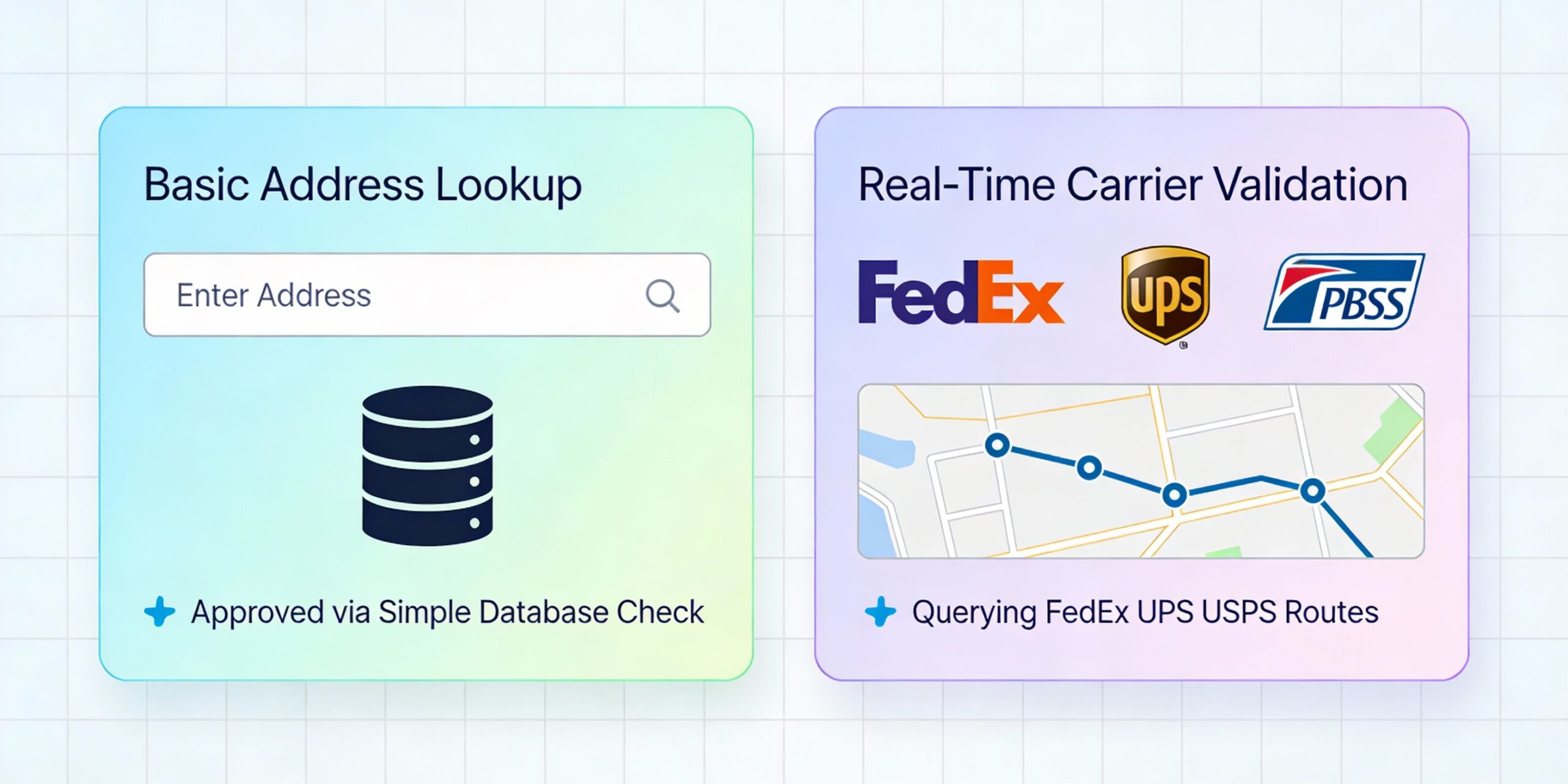
So how do you fix it? And how do you get your CFO to approve the budget? The fix is address validation tech. It’s not an expense; it’s a cost-avoidance machine. One company we know cut its undeliverable rate from 5% to less than 1% by adding address verification at checkout.
Do this quick math.
You ship 10,000 packages a month.
A conservative 2% error rate means 200 bad shipments.
At $24 per correction fee, you’re lighting $4,800 on fire every month.
That’s $57,600 a year. That’s before the other $60 per error in ops costs. For 200 errors, that’s another $12,000 in labor and product costs each month.
The ROI formula is simple: ROI = (Cost Savings – Investment) / Investment.
Use that to show your CFO this isn’t a “nice-to-have.” It pays for itself by killing hundreds of bad shipments a month.
This problem isn’t going away. It’s getting worse. Surcharges are on a steep upward trend. For 2026, FedEx plans an 8.4% increase on its Residential Surcharge. UPS is planning a 6.6% increase for its Ground Residential Surcharge. This problem is compounding. You need to act now. Stop letting typos drain your budget. Calculate your true cost. Get the tech to fix it. Go do this today.