
Real talk: 1 in 5 of your orders has a bad address. That’s not a rounding error—it’s a customer you’re about to lose. Here’s the automated workflow to fix it before the package even leaves the warehouse. Your support team isn’t a data-entry service. Every time a customer service rep has to manually look up a zip code or call a customer to confirm a street name, you’re losing money. It’s slow, expensive, and a terrible use of your team’s time.
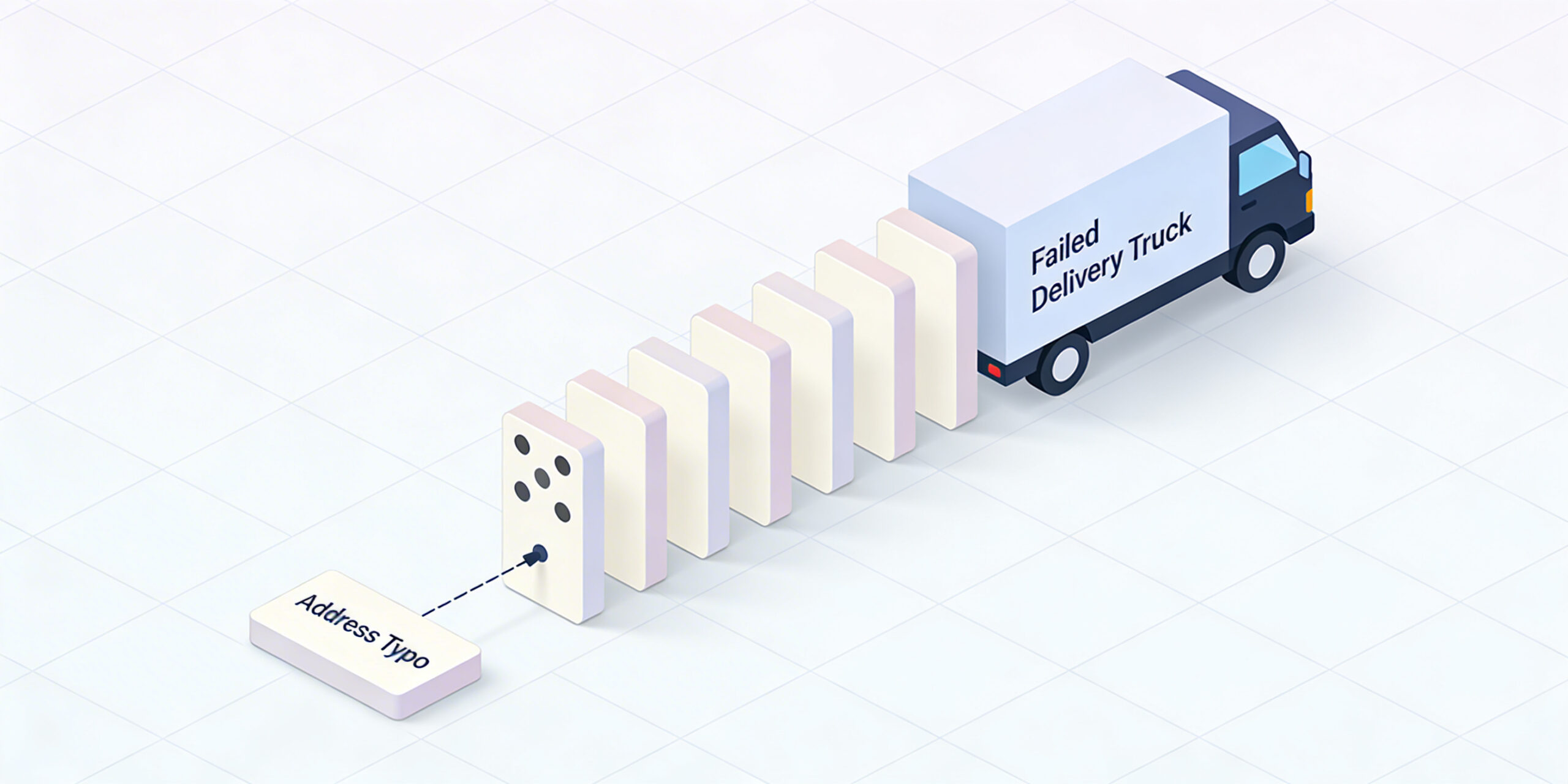
Here’s the thing: this isn’t a small problem. Up to 20% of online orders contain address errors. Those little typos cost U.S. businesses over $20 billion in 2022 from failed deliveries and carrier fees. But the real cost isn’t the $5 to $24 address correction surcharge from UPS or FedEx. It’s the customer you lose forever. Data shows that 84% of consumers will not return to a brand after a single poor delivery experience. That’s the ultimate threat to your LTV.
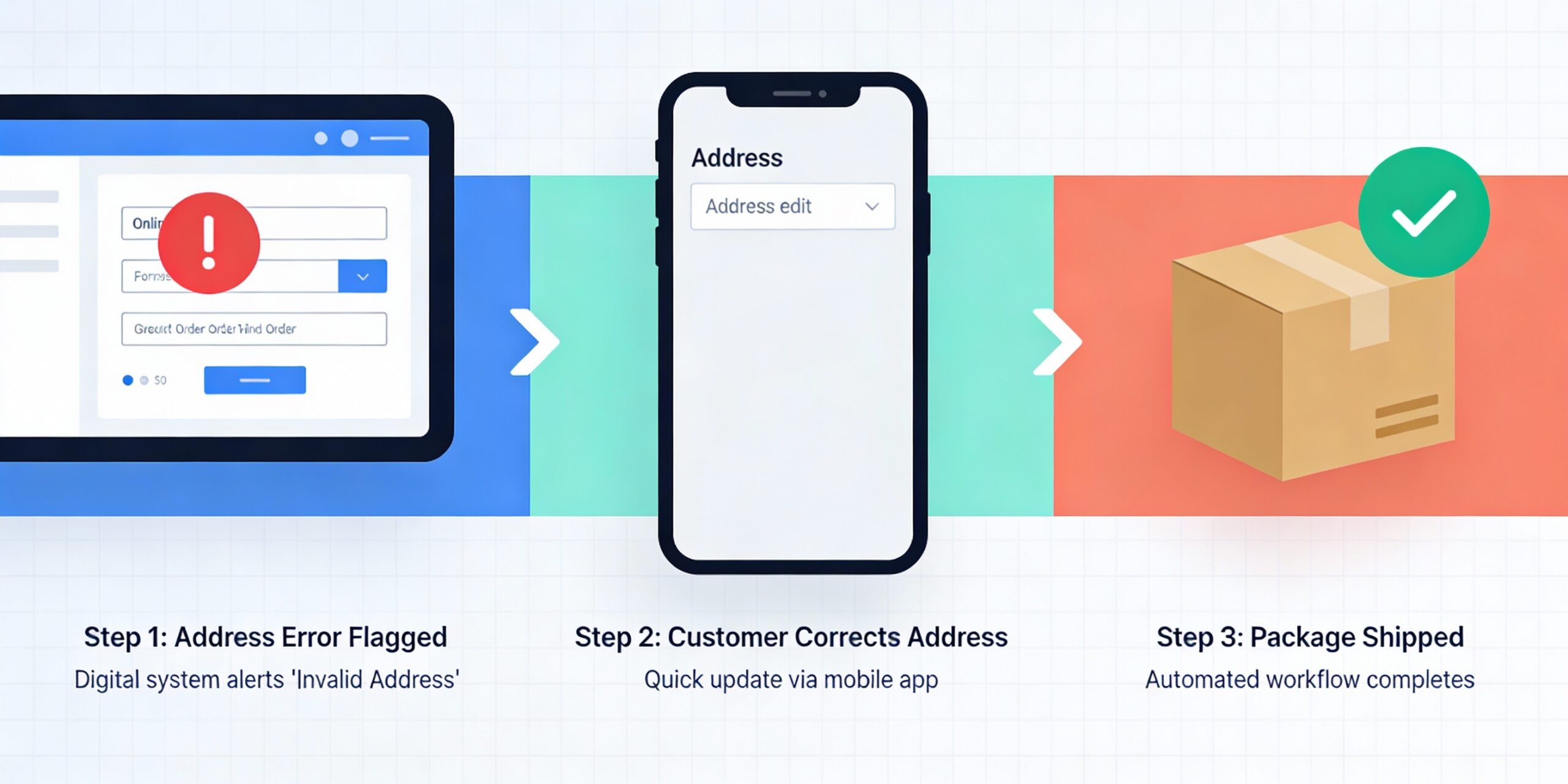
You can stop this. The move is a simple, three-step automated workflow that catches errors, lets customers fix their own mistakes, and gets orders out the door without your support team ever touching them. You can do this in a week.
Flag it before you pick it.
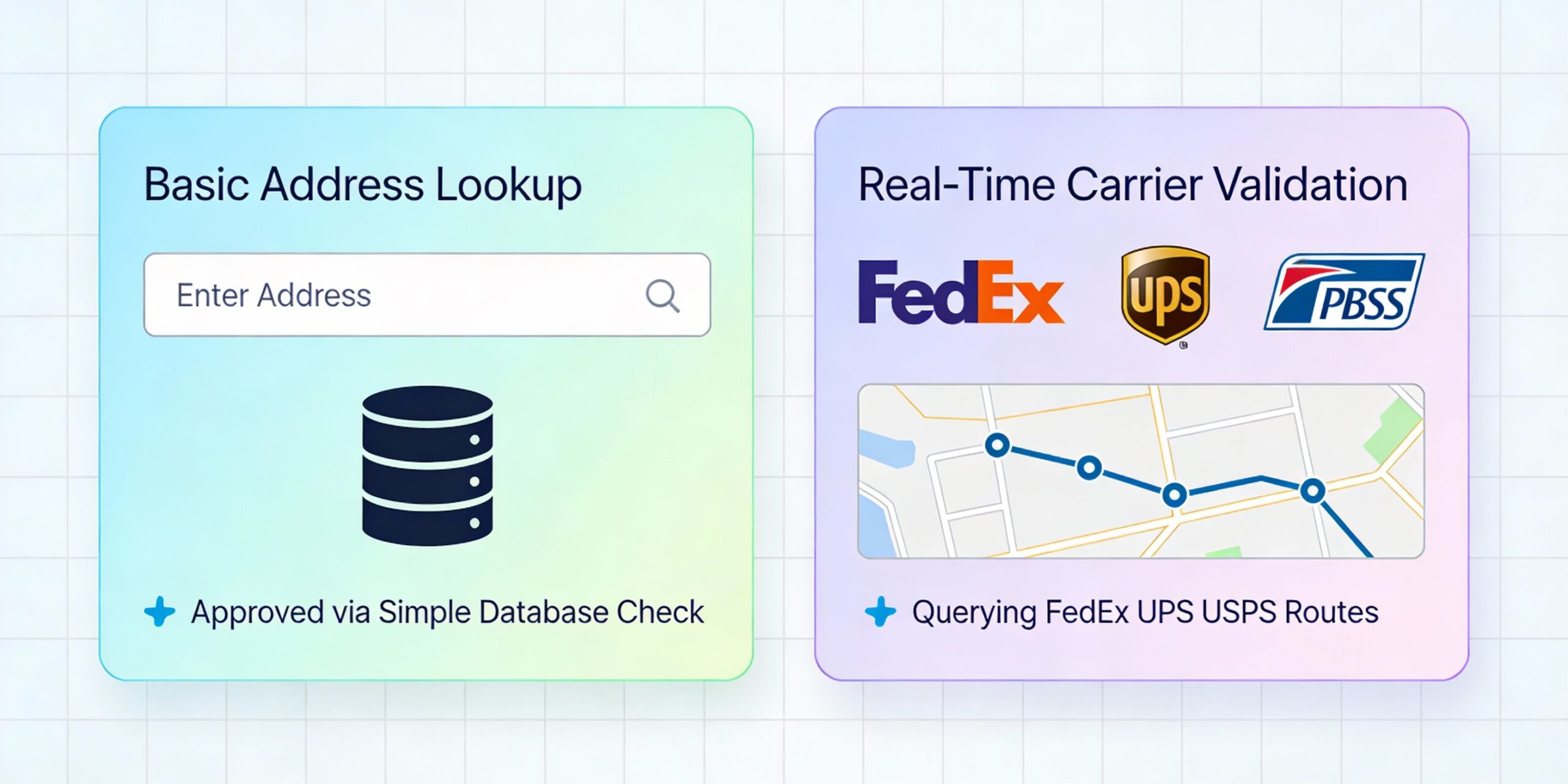
The move is to check the address after the order is placed, but before it hits your fulfillment queue. Think of it as an instant quality control check. When an order comes in, an automated trigger runs the shipping address against a validation service. This can be done with a simple API call or a workflow tool. The system checks for typos, missing apartment numbers, incorrect zip codes, or non-existent streets. If the address is perfect, the order proceeds to fulfillment as normal. No delay. If the address is flagged, the order is automatically put on hold. This is the critical step that prevents a bad package from ever being packed.
Let your customer fix their own mistake.
This is where most brands mess up. They see a flagged address and create a support ticket. The support rep then spends the next hour trying to email or call the customer, playing phone tag while the order sits idle. The game-changer is to cut your team out of the process entirely. When an address is flagged, the workflow automatically sends an email or SMS to the customer. The message is simple: “Looks like there might be an issue with your shipping address. Please take a moment to confirm or correct it.”The link takes them to a secure, pre-filled form with their original address. They can quickly fix the typo or add the missing apartment number and hit submit. Logistics company Veho uses these “Address Correction Nudges” via SMS to solve issues before a driver ever attempts delivery.
Why it works: It’s faster for everyone. The customer gets an instant notification and can fix it on their phone in 10 seconds. It empowers them to solve their own problem, which feels better than waiting for a support reply. And your team is free to handle actual customer issues, not data entry.
The automation syncs the fix and ships the order.
Once the customer submits the corrected address, the final piece of the automation kicks in. The updated, validated address is automatically synced back to your e-commerce platform or order management system. This action releases the hold on the order. The order now flows to your fulfillment team with the correct information, ready to be picked, packed, and shipped. No manual data entry. No copy-pasting. No delays. The entire process—from flagging the error to shipping the corrected order—can happen in minutes. This isn’t theory.
Brands are already using this playbook. The clothing brand Senkels reduced their undeliverable packages by 50% by using a simple address validation check. Another business using an AI-powered correction tool completely eliminated processing delays that used to take “hours to days.” The results are clear. You get fewer support tickets. You pay zero address correction fees. Most importantly, you deliver a smooth, fast experience that protects your customer LTV. You save the customer from their own mistake and become a hero in the process.
That’s the playbook. Stop wasting time on manual fixes. Go build this.