
I see the same mistake on 9 out of 10 e-commerce sites going global. A single, rigid address form. It’s quietly killing your conversion rate and costing you thousands in failed deliveries. Here’s how to fix it.
Real talk: bad address data isn’t a minor glitch. It’s a direct hit to your bottom line. The amount of global data is set to explode to over 180 zettabytes by 2025, which makes data quality a huge problem.
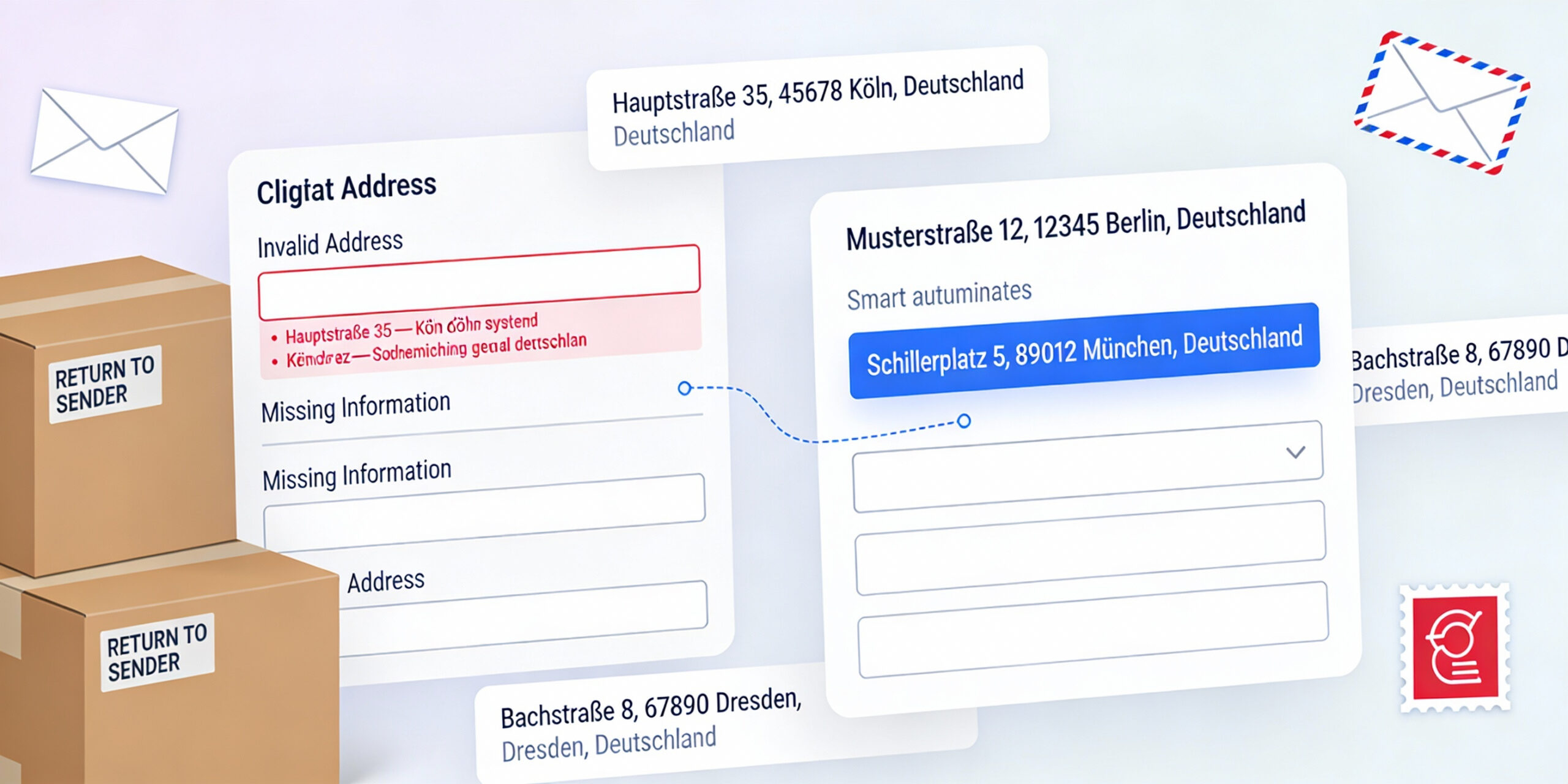
The USPS says a huge chunk of mail is undeliverable because of bad address data. That’s money you’re lighting on fire with every return-to-sender and angry support ticket. The problem is simple. Over 200 countries, over 200 address formats. Your “one size fits all” form is broken. There’s no single international standard for addresses. Just unique formats across nearly 250 countries and territories. Think about a German address with an umlaut (Müllerstraße) vs. a Japanese address with a Ken suffix. Your rigid form can’t handle it. The carrier’s system won’t guess for you. Good news? Your 10-Minute Checkout Fix starts now.
Audit your checkout flow.
- Ask for Country First. This is non-negotiable. It lets the form change its fields to match that country’s format.
- Use Smart Autocomplete. This isn’t a nice-to-have. It’s essential for cutting down on typos and speeding up checkout.
- Have Flexible Fields. Use at least 3-4 address lines. Don’t force numeric-only postal codes. Some countries use letters and numbers, and some don’t use postal codes at all.
Now for the formatting rules you can’t break. These are the simple rules that keep carriers from rejecting your packages.
- COUNTRY NAME. ALL CAPS. LAST LINE. Always put the country name on its own line, at the end, in all caps.
- CAPITALIZE EVERYTHING. Write the whole address in capital letters. This prevents machine-reading errors.
- NO COMMAS. NO PERIODS. Avoid all punctuation unless the country’s postal service requires it.
This is where most brands mess up. Those manual fixes help, but they don’t solve the real problem. You can’t manually manage this. It’s a full-time job for a team of linguists, not your e-commerce team. Are you ready to transliterate Kanji to Romaji for Japanese shipments? Or correctly format German street names with an umlaut?
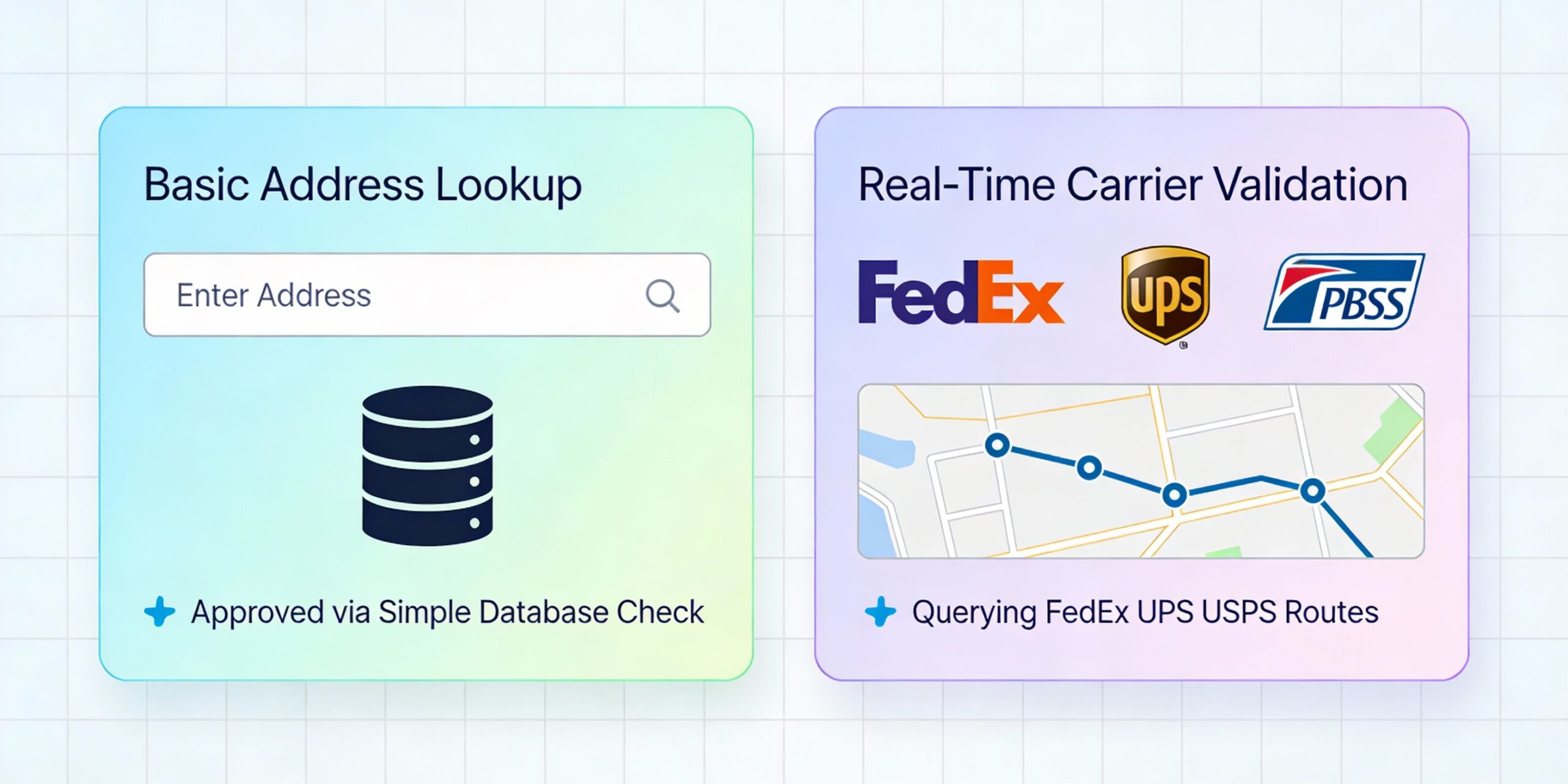
Manual entry doesn’t scale. The only way to do this long-term is with an international address verification API. It plugs into official postal databases, then validates and formats every address in real-time. Before it ever hits your system. This isn’t theory. These are real results from brands that stopped guessing.
- A global apparel brand did this and saw a 27% drop in failed deliveries.
- A multinational courier implemented this. Result: 40% fewer return-to-sender parcels.
- A SaaS platform expanded to 15 new countries with no increase in support tickets related to billing or shipping addresses.
The move? That’s the playbook. Go implement it.