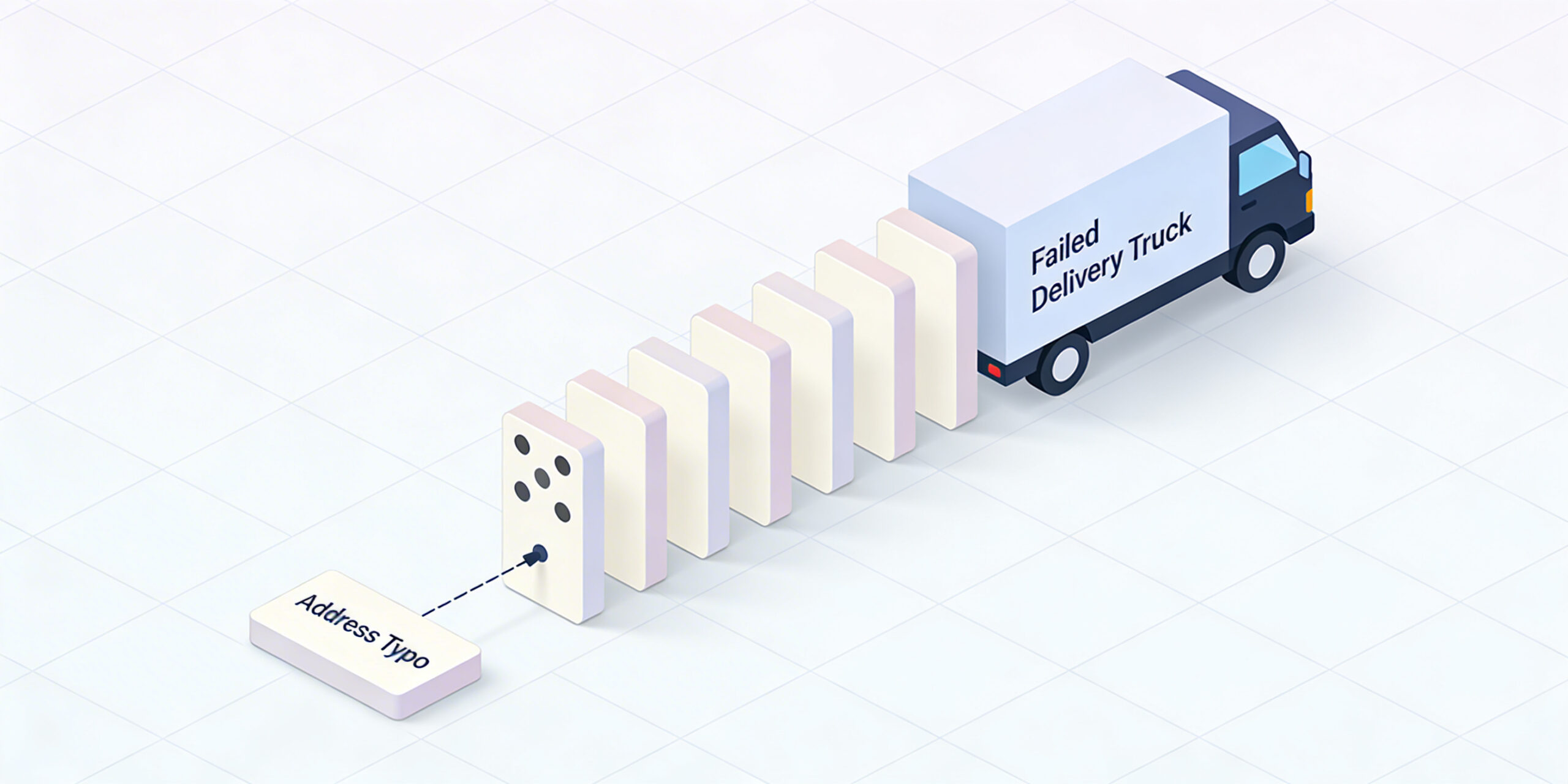

I’ve looked at the P&Ls of a dozen DTC brands this month. A single line item is quietly eating 5-10% of their shipping margin: FedEx address corrections. This is a financial drain, designed by carriers to profit from your checkout errors.
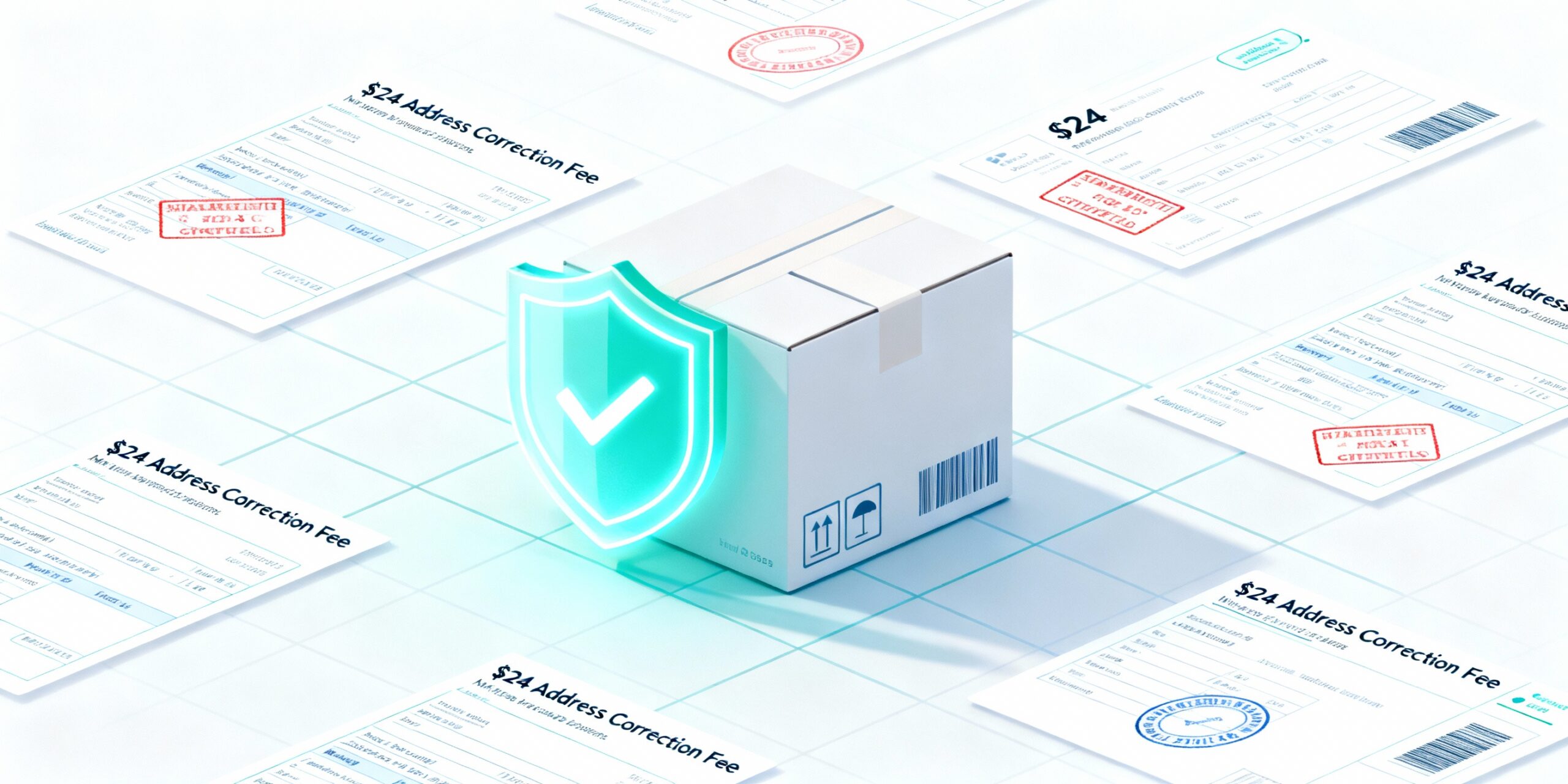
The 2025 FedEx address correction fee hits $24. That’s a 6.67% jump from last year. It was $17.00 in 2020. Carriers see this as a profit center. They’re taxing you for simple mistakes like a missing apartment number or a typo in the zip code. So, how does this keep happening when you have an address lookup tool?
Here’s where most brands mess up.
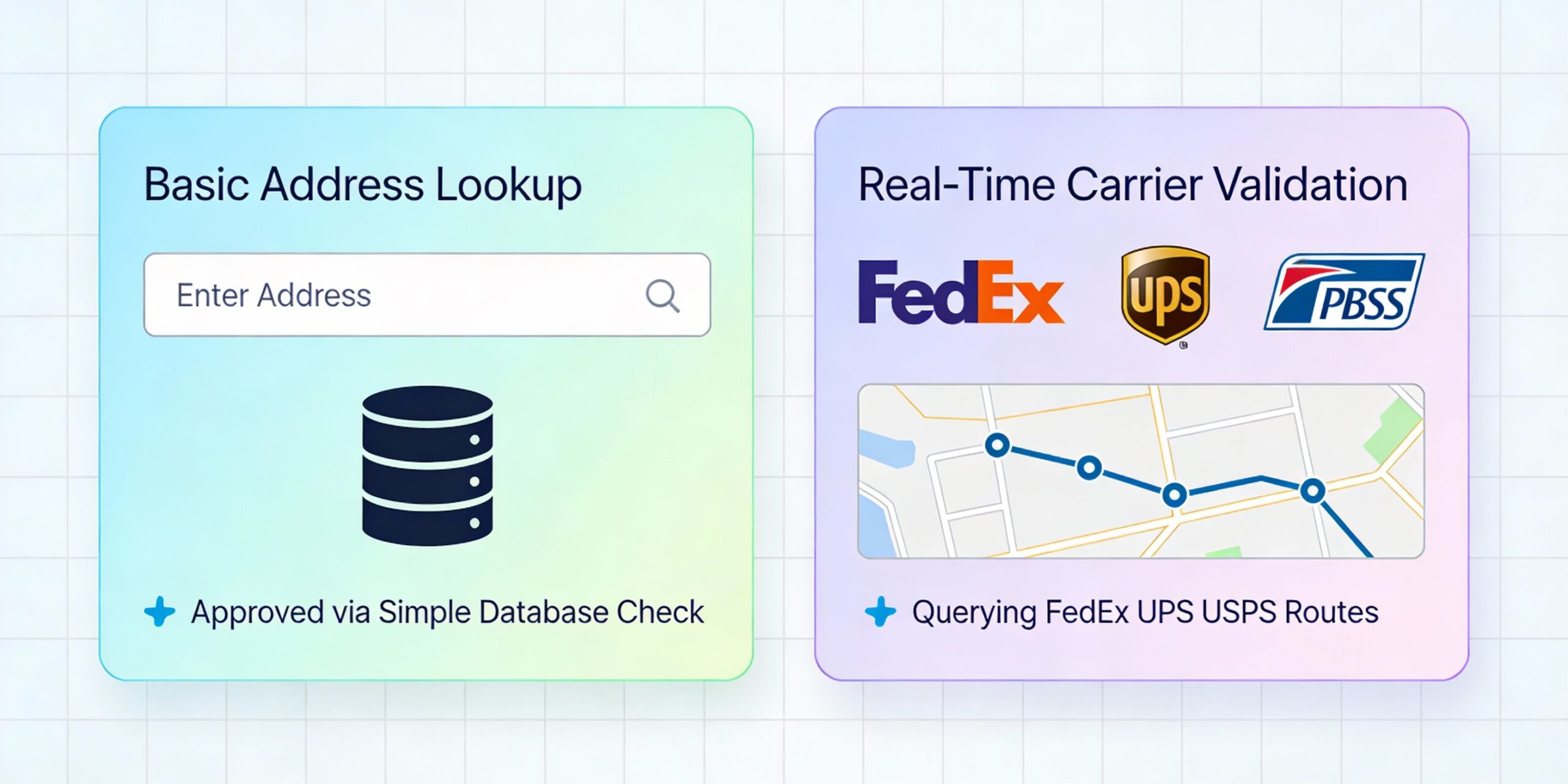
They think they have this covered. They installed a cheap, or even free, address autocomplete plugin. The customer starts typing, clicks an address, and everyone moves on. Problem solved, right? Wrong. Most of those tools are just doing a basic lookup. They’re glorified search bars pulling from a list of possible addresses. They don’t do the deep validation that carriers like FedEx and UPS require. They let through addresses that are “close enough” but not technically correct—all a carrier needs to slap you with a fee. That autocomplete tool is giving you a false sense of security while your margins get bled dry, $24 at a time.
Real talk: Basic lookups are a band-aid. You need an operational upgrade.
The move? True address validation.
Stop guessing. You need to confirm an address is real, deliverable, and formatted to postal standards before a label is created. It’s the difference between hoping an address is right and knowing it is. The non-negotiable standard for accuracy in the US is a CASS-certified database. This means the software meets the highest USPS standards for address matching. Don’t compromise here.
A real carrier-grade tool does four things your basic lookup can’t:
- It validates in real-time. It checks the address as the customer types it. This prevents errors at the point of entry and speeds up checkout.
- It standardizes the data. It automatically reformats any address to meet USPS standards—capitalization, abbreviations, ordering. The user won’t even notice.
- It integrates with your stack. It has to plug directly into Shopify, Magento, your CRM, your ERP. If the tool is clunky, it’s a non-starter.
- It has advanced capabilities. The best tools have a Residential Delivery Indicator (RDI). This tells you if an address is a business or a residence, saving you a fortune on residential delivery surcharges.
So here’s what you do.
When you’re evaluating vendors, get specific.
- Ask, “Is your database CASS-certified?” If they hesitate, move on.
- Ask to see their API documentation. See how easily it integrates with your platforms. If it looks like a science project, it’s a headache for your dev team.
- Ask about the ROI. Some providers have ROI calculators that can quantify the savings from eliminating correction fees and reducing failed deliveries. Use them.
Killing these fees is just the start.
The real payoff is how a proper validation tool impacts your core KPIs. A smart autocomplete tool means fewer keystrokes and faster form-filling. That means less checkout friction, fewer abandoned carts, and a direct lift in your conversion rate. Fewer failed deliveries means fewer “where is my order?” support tickets. It means happier customers, better reviews, repeat purchases, and a higher LTV. And clean, standardized address data makes your entire database more powerful. Your analytics get more accurate. Your marketing segmentation gets sharper.You make better business decisions. Period.
That’s it. Stop letting carriers tax your mistakes. Go fix your checkout.