
I’ve noticed a pattern across every e-com brand pushing into new countries. They nail the ads, the creative, the landing page. Then they bleed money and piss off customers at the last 12 inches: the address field.
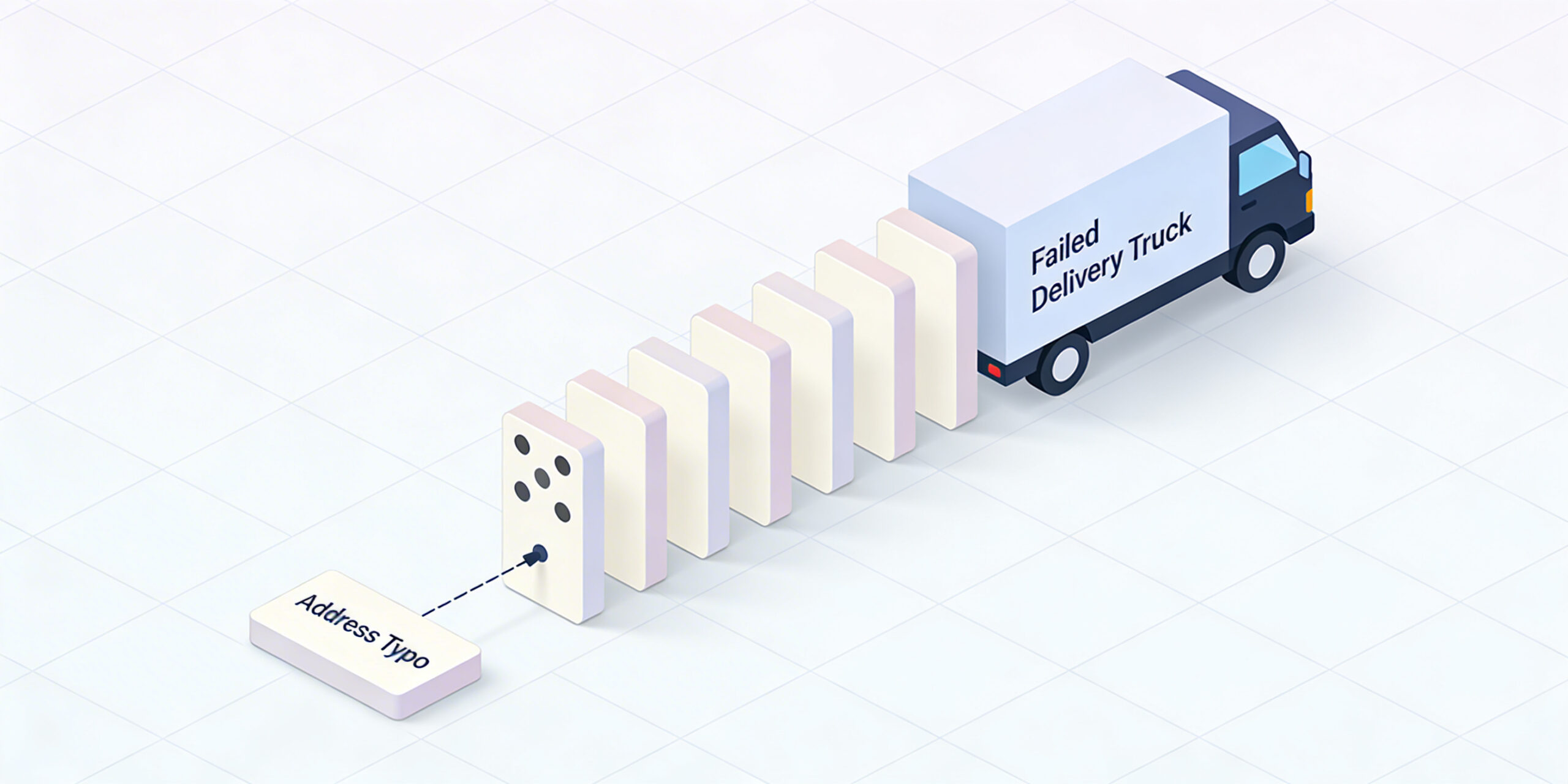
Here’s the thing: everyone thinks it’s a small problem. But the data shows up to 18% of the addresses your customers type are wrong.
Let’s talk about how to fix it. This isn’t an IT problem. It’s a conversion problem. A customer support problem. It’s a direct hit to your LTV and ROAS. Every failed delivery is a customer you might lose forever, on top of the money you burned on ads to get them. Poor data quality is an expensive habit. Gartner says it costs companies $12.9 million on average each year. That’s the real cost of typos and bad checkout experiences.
So, what’s behind this operational nightmare? The world isn’t a neat CSV file. There are over 130 different international address formats. Your standard “Address Line 1, City, State, ZIP” form fails most of them. Think about it.
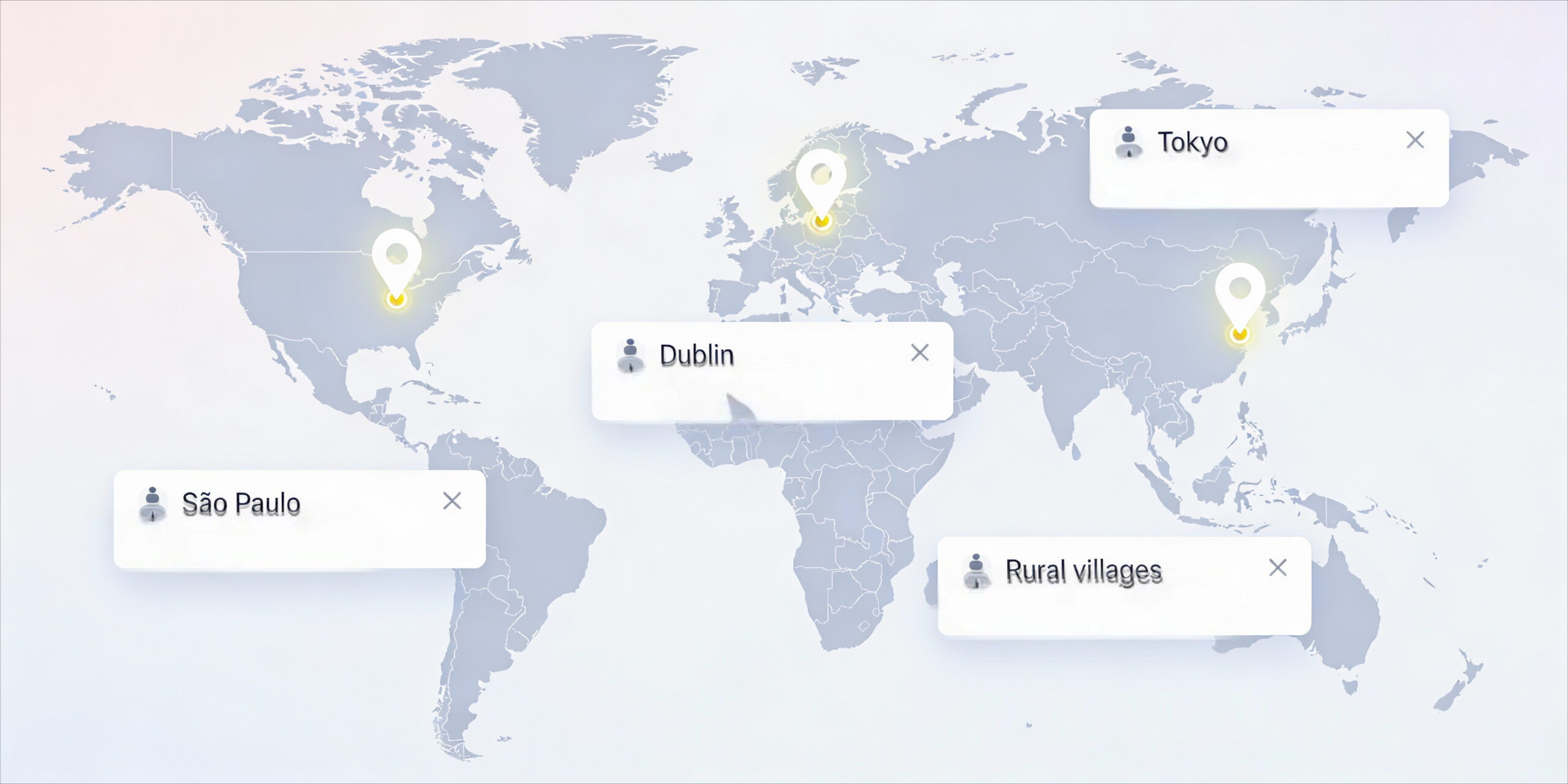
- In Japan, addresses run from general to specific—prefecture, city, district, block, building.
- In rural Ireland, many homes don’t have a street name or house number.
- In parts of Hong Kong, building names are used instead of street numbers.
Your customers aren’t trying to mess up. They’re trying to fit their reality into a box that wasn’t designed for them. Good news: fixing this isn’t rocket science. It starts with your checkout. Here’s the playbook for your front end.
Let customers select their country immediately.
This is the single biggest unlock. The country selection should dynamically change the address fields to match the local format. No more forcing a Japanese customer to find a “State” or an Irish customer to invent a “ZIP Code.”
Ditch the separate fields for “Address 1,” “Address 2,” and “Apartment.”
Use a single, adaptive “smart” address field with autocomplete. As the user types, it should suggest verified, properly formatted addresses for their region. This guides them and corrects in real-time. It removes the guesswork. Give customers instant feedback. If the address they enter is ambiguous, tell them before they hit ‘submit.’ A simple prompt like, “Did you mean 123 Main St. instead of 122 Main St.?” can prevent a failed delivery before it ever leaves the warehouse.
Your fields need full Unicode support.
Customers should be able to enter their address in their native language, whether it’s Cyrillic, Kanji, or Arabic. Forcing them to translate or transliterate their own home address is a massive point of friction and a guaranteed way to introduce errors. But what about the addresses that are still a mess? This is where backend tech steps in.
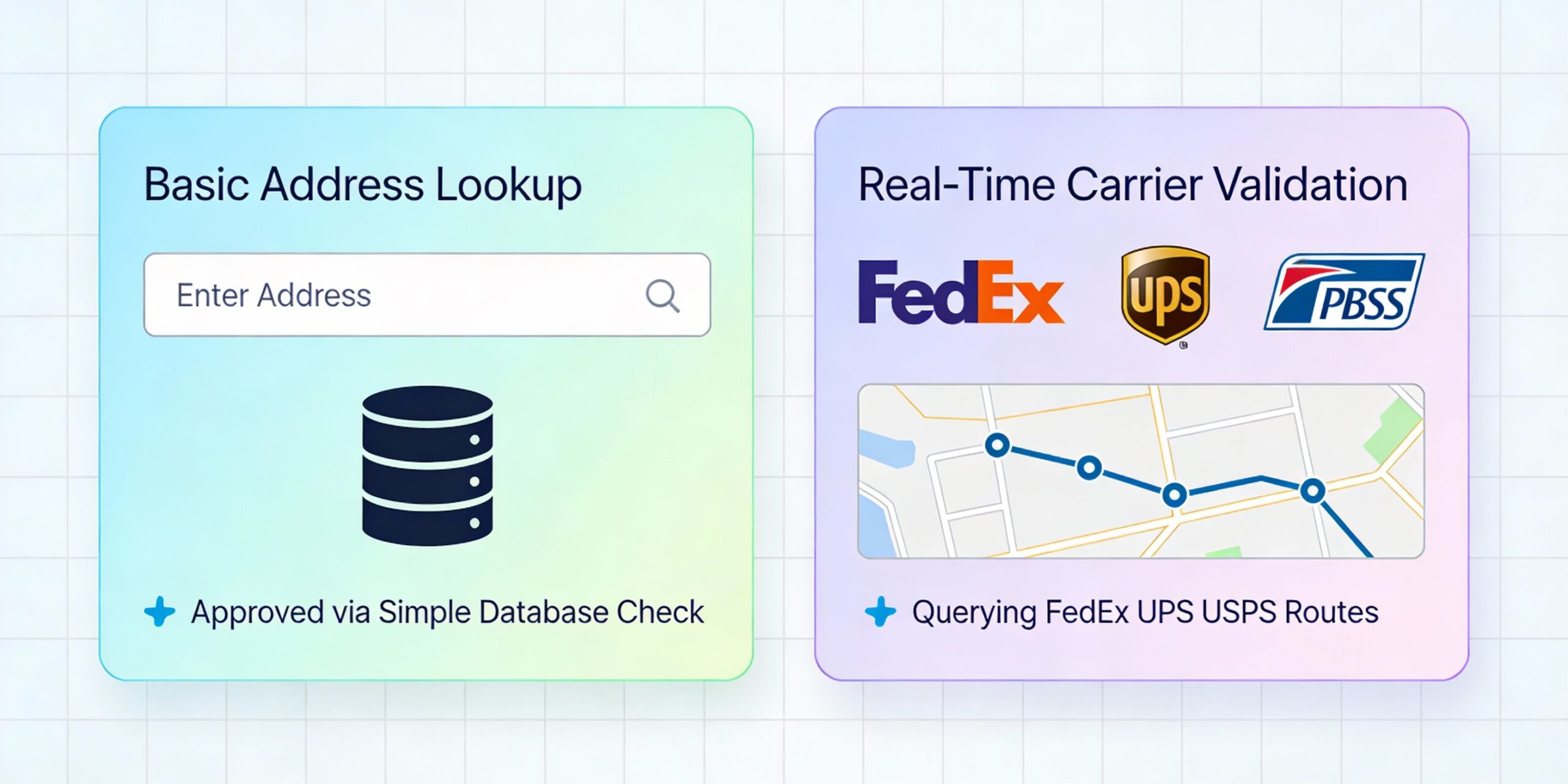
Real talk: sometimes the data you get is just messy, no matter how good your front end is. You need a system that can clean it up.
It comes down to two concepts: parsing and standardization.
Parsing
is breaking a messy, single-line address down into its individual components—the street name, the house number, the postal code, the city. It’s the tech equivalent of a mail sorter who knows what each part means.
Standardization
is the next step. It takes those parsed components and reformats them to the exact standard required by the local postal service. This is crucial. It’s not about making it look right to you; it’s about making it perfectly legible for the delivery driver in Seoul or São Paulo.
Then there’s the final power-up: geolocation.
For areas with informal street names, geolocation uses latitude and longitude coordinates to pinpoint the exact physical spot on a map. This is how you deliver to a specific home in a rural village that isn’t in the postal database yet. It’s the ultimate backstop for the world’s most complex addresses. Okay, so that’s the how. But does this actually move the needle? Here’s what happens when you get this right. This isn’t theoretical. The ROI is direct.
Precise address standardization can lead to a 28% drop in delivery failures. That’s almost a third of your returned packages and angry support tickets just… gone. One shipping platform reduced undeliverable packages by 22% just by using real-time address verification. Think about the operational drag that eliminates. It even impacts your fraud prevention. A firm that did robust address verification saw a 60% drop in address-related fraud losses.
Clean data means you can more accurately flag suspicious orders where the billing and shipping addresses don’t match up to a real, verifiable location. That’s the playbook. Go fix your checkout.