
Everyone thinks address autocomplete fixed their delivery problems. It didn’t. I see the shipping invoices. Brands are getting hammered with $18 address correction fees from UPS and have no idea why.
Here’s the thing: The address lookup tool you use for a slick checkout isn’t a validation tool.
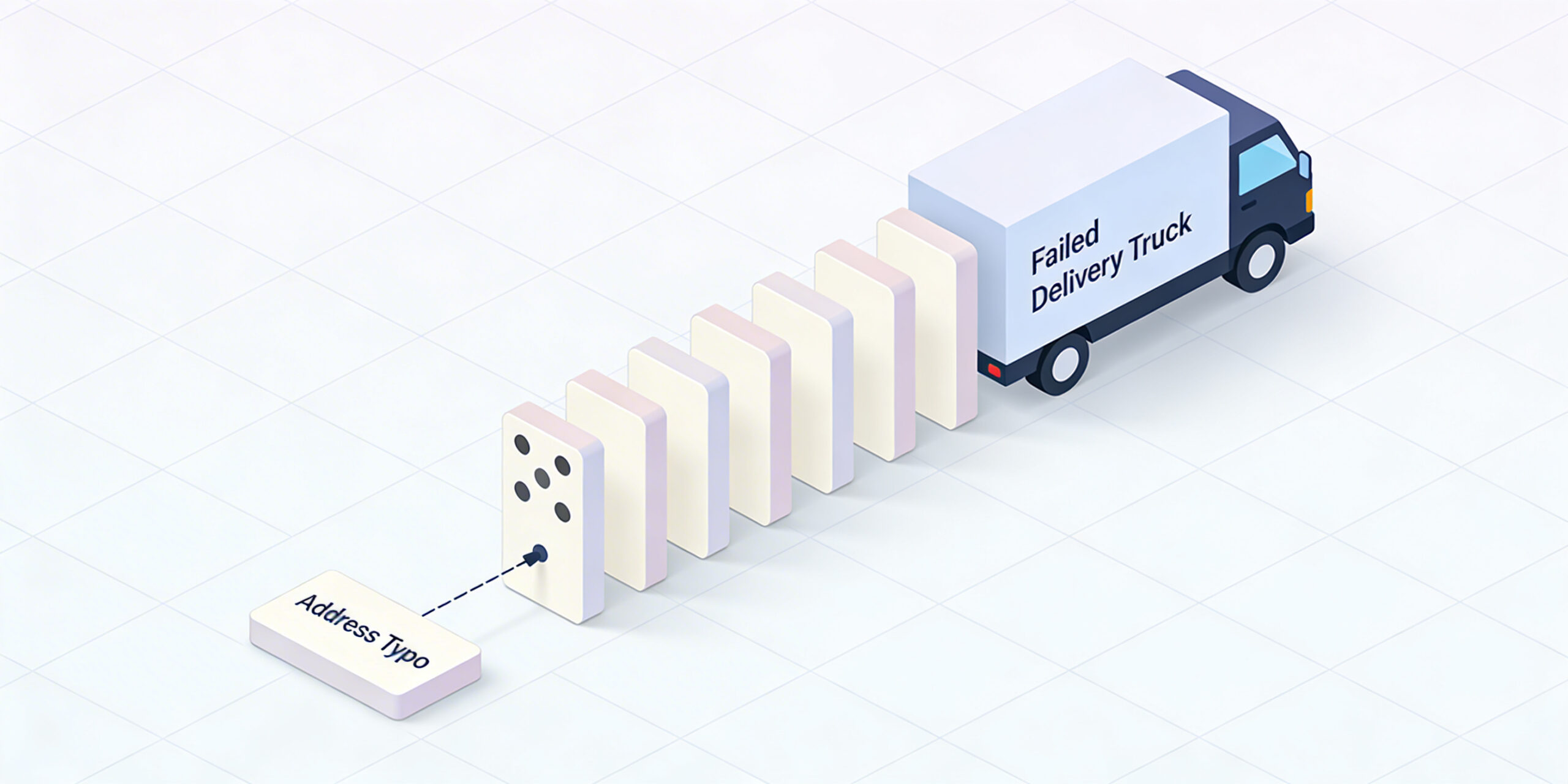
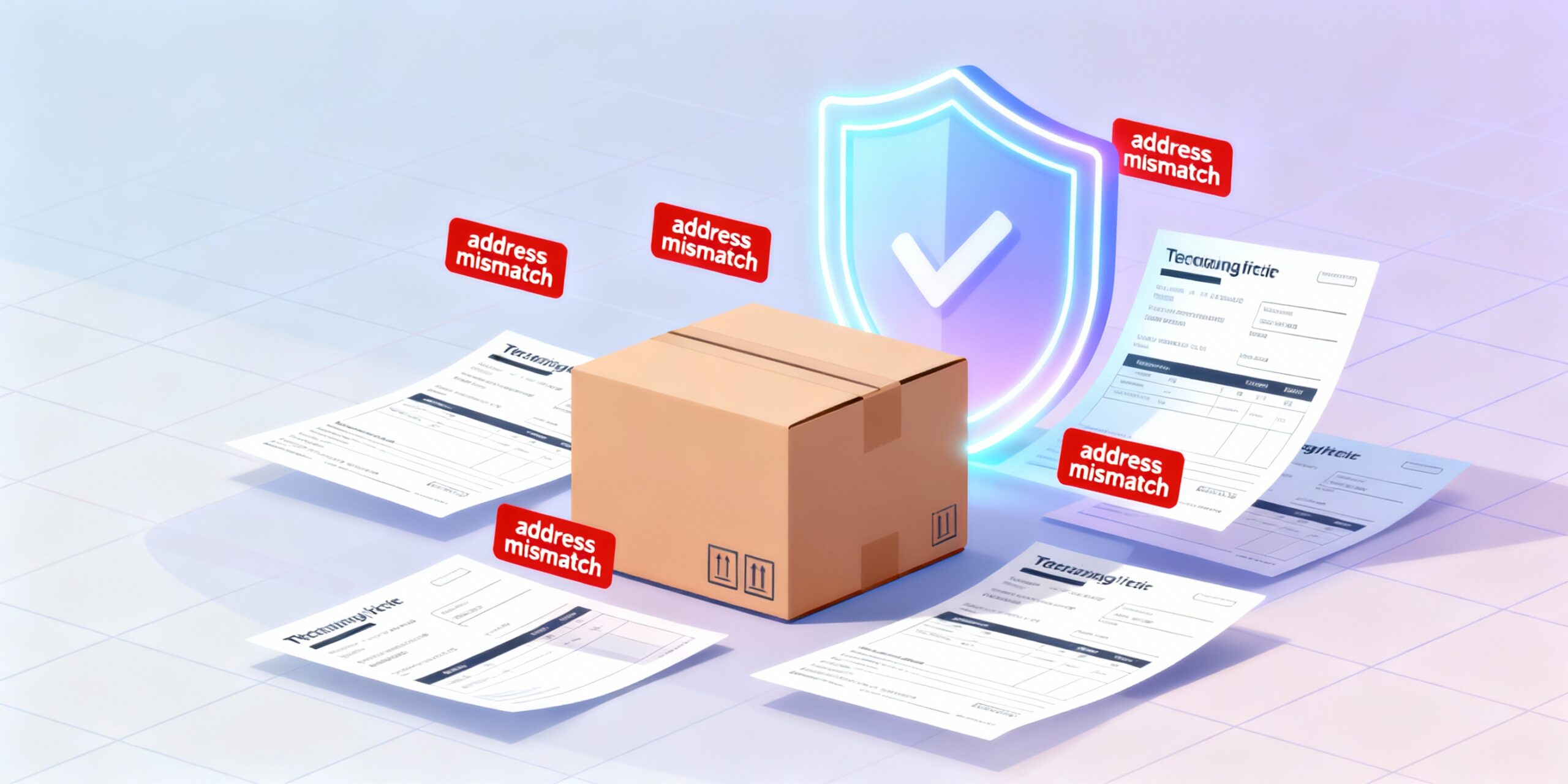
You’re solving for UX, not for profit. That surprise fee on your carrier invoice isn’t a one-off. It’s a pattern. Major carriers like UPS and FedEx charge between $18 to $21 per package for simple corrections. A single wrong number in a zip code costs you real money. Every time. The UPS fee for an address correction is over $17. And it’s not just fees. It’s failed deliveries. Bad addresses cause around 8% of domestic shipments to fail on the first try. Each failure costs you an average of $17.20 in wasted shipping, customer service time, and reshipment. The scale is bigger than you think. The USPS sees 5-10% of packages returned as undeliverable. This costs businesses over $20 billion a year. So if your system looks like it’s working, what’s really going on?
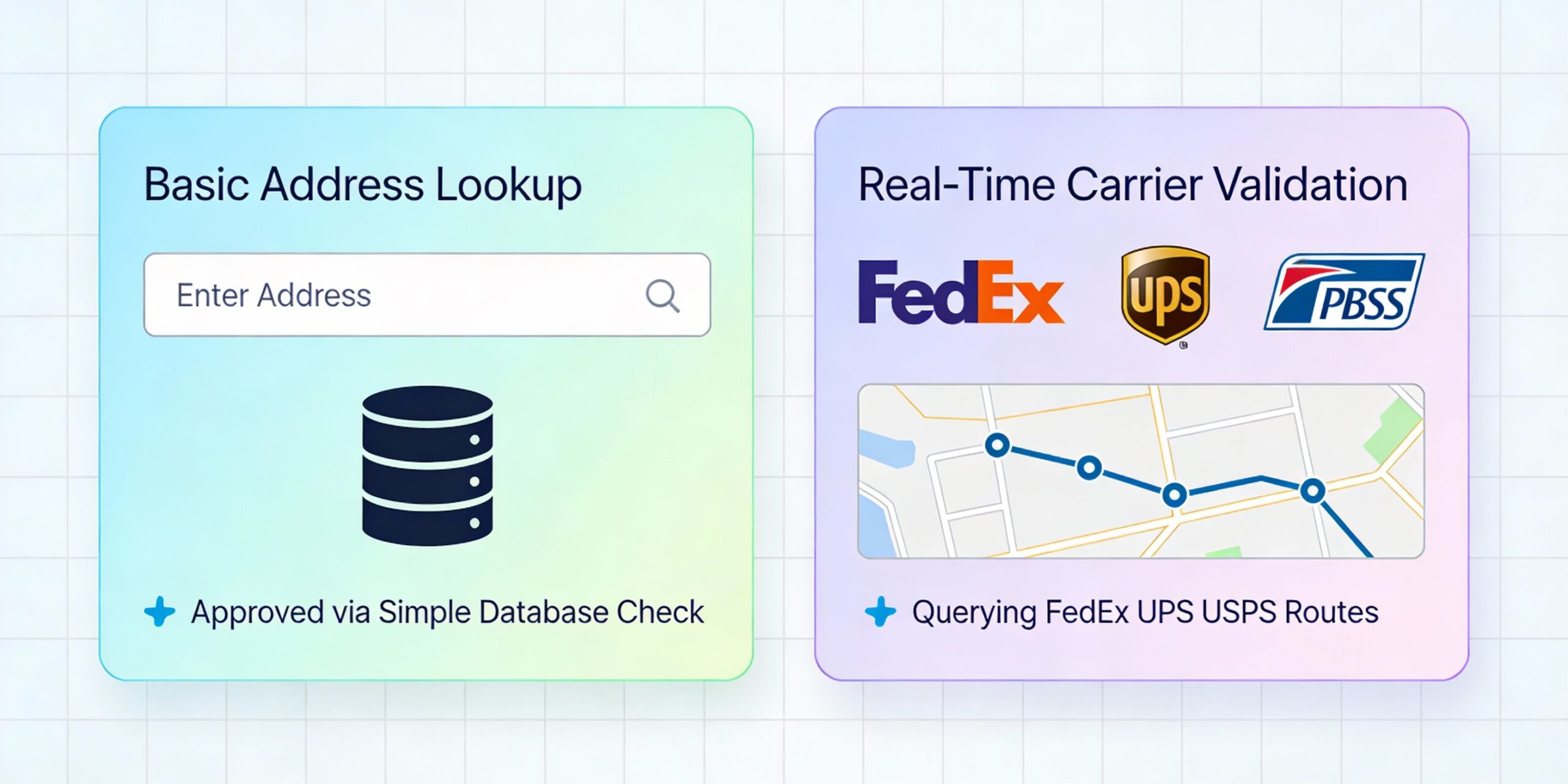
You installed an address lookup tool. Your checkout feels smoother. Customers are happy. That’s because it’s a UX feature. It reduces keystrokes by up to 80% and fixes obvious typos. It makes the address look right. But here’s what it doesn’t do: It doesn’t confirm UPS will deliver there without a fee. It guesses. It doesn’t know. It misses required apartment numbers. It can’t tell if an address is a home or a business. That last one is a killer.
UPS charges over $4 more for residential deliveries. Your autocomplete tool misses this, and you get hit with surcharges you never quoted for. You’re optimizing for convenience, not cost. The real fix is carrier validation. It’s not a guess. It checks the address against the carrier’s own database. In real-time. It confirms the address is real and deliverable by the person putting the box on the porch.
Look for services that are CASS-certified. This means they use official USPS data for accuracy. This is how you spot residential vs. commercial addresses before you ship. You get accurate rates upfront. You kill an entire category of surcharges. Confirm. Don’t guess.
How do you know if your current setup is costing you money?
Ask your provider these questions.
- Does it validate against the official USPS CASS database in real-time?
- Does it flag Residential vs. Commercial addresses before you print a label?
- Does it check if an apartment number actually exists at that address?
- Does it use delivery point validation (DPV) to confirm a mailbox is actually there?
If you’re answering “No” to any of these, you’re leaving money on the table. The switch pays for itself. Let’s do the math. One analysis shows a brand shipping 20,000 orders a month cut its error rate from 2% to 1%. That one change saved them over $4,500 a year in correction fees alone.
Another example: A business with 10,000 new addresses and a 5% error rate loses about $5,000 in fees and failed deliveries. A real validation service to fix this costs around $210. You’re preventing thousands in losses for the cost of a team lunch.
Real talk: Stop paying for a UX feature and expecting it to solve an ops problem.
The autocomplete tool makes your checkout look nice. A real validation tool protects your profit margin. The money you save on fees and failed deliveries pays for the tool dozens of times over. Go check your system. Now.