
There’s a ghost in your machine. It’s the gap between your checkout page and your P&L, and it’s costing you a fortune. Call it ‘shipping adjustments’ or ‘customer concessions.’ Its real name is Bad Address Data. You see the damage. Angry support emails. One-star reviews for ‘lost’ packages. That trickle of errors is a firehose of lost revenue. The USPS says up to 10% of all packages don’t make it on the first try.
Let’s follow the money.
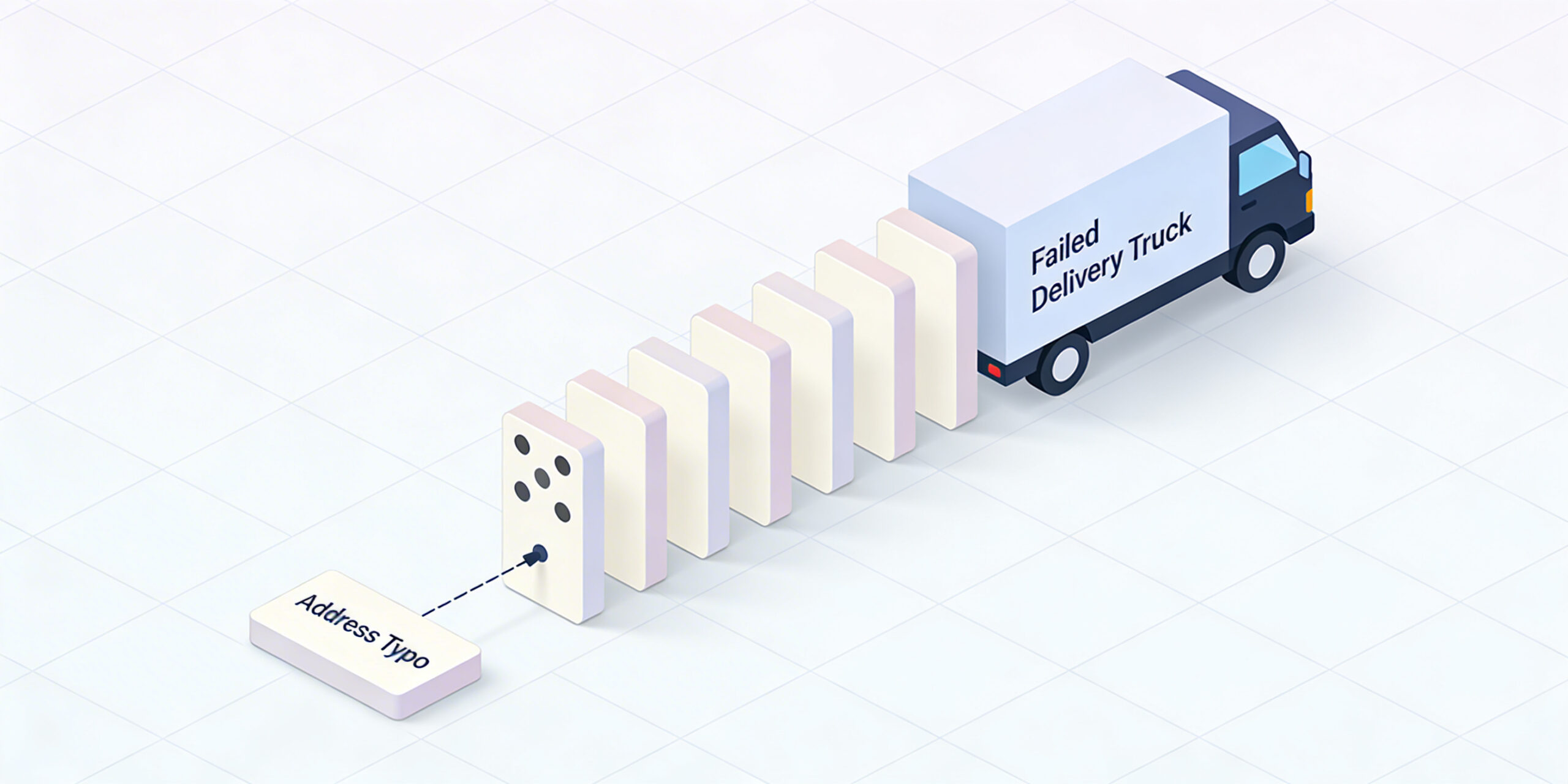
A customer, Sarah, clicks ‘buy.’ She’s off by one digit on her street number. That package is now headed for chaos. The carrier fails the delivery. The package is now in limbo. This isn’t free. A carrier like FedEx or UPS charges $18-$20 for one address correction. That’s your first hit. The package comes back to your warehouse. That’s a mess to deal with. Sarah gets a ‘delivery failed’ notification. She’s confused, then annoyed. She emails support. Your support team is now on the clock. It’s not just a phone call. It’s labor cost. It’s reshipment cost. It’s a direct hit to Sarah’s loyalty. You’ve now paid for the product, marketing, fulfillment, the first failed shipment, your support agent’s time, and the second shipment. All for one bad digit. That’s one package. Now multiply it by hundreds of orders.
Let’s do the math. You get data. So let’s run the numbers. Cleaning up your data isn’t just plugging leaks. It’s a real investment. The market for this stuff is already $1.71 billion in 2024.
Returns.
A good verification tool can cut your return rate by 5-20%. Look at your monthly returns from bad addresses. Cut that by 10%. That’s real money back in your pocket.
Carrier fees.
Take that $18-$20 fee. Multiply it by your monthly shipping errors. What if 80% of those just disappeared? That’s pure profit.
Labor.
Think about how many hours your support team spends on ‘where’s my package?’ tickets.
You can cut those shipping-related tickets by up to 25%. That time can be spent growing the business, not putting out fires. It’s like fixing every leaky faucet in your house with one wrench. Now here’s where it gets interesting. This isn’t just about plugging leaks. It’s about growth. Real-time validation makes checkout smoother. That small change can boost conversions by 5-15%. What would a 5% lift at checkout do for your revenue this quarter?
Clean address data means better customer profiles. That means 10-30% better marketing targeting. Every ad dollar works harder. You’re hitting the right people in the right places. It’s like adding rocket fuel to your marketing. Your targeting becomes laser-focused, not scattershot. The cost? A software subscription. The return? Fewer returns, no correction fees, higher conversions, and better marketing.
The math works. But the ROI isn’t just a spreadsheet. Smooth deliveries build trust. Trust reduces churn. It turns one-time buyers into fans. It’s the antidote to one-star reviews. Your brand is every interaction. Flawless delivery shows you have your act together.
Real talk: Good data is everything. McKinsey found that AI’s ROI depends on high-quality data. Clean addresses are the first step to better personalization and marketing. You’re future-proofing the business.
Good address data is like having The Rock as your bouncer. It helps with fraud prevention, stopping trouble before it starts. You’re not just buying a tool. You’re buying peace of mind and a stronger brand.
How do you pick the right tool?
Here’s what to look for.
- It needs global coverage that works. That means 240+ countries and territories, not just the obvious ones.
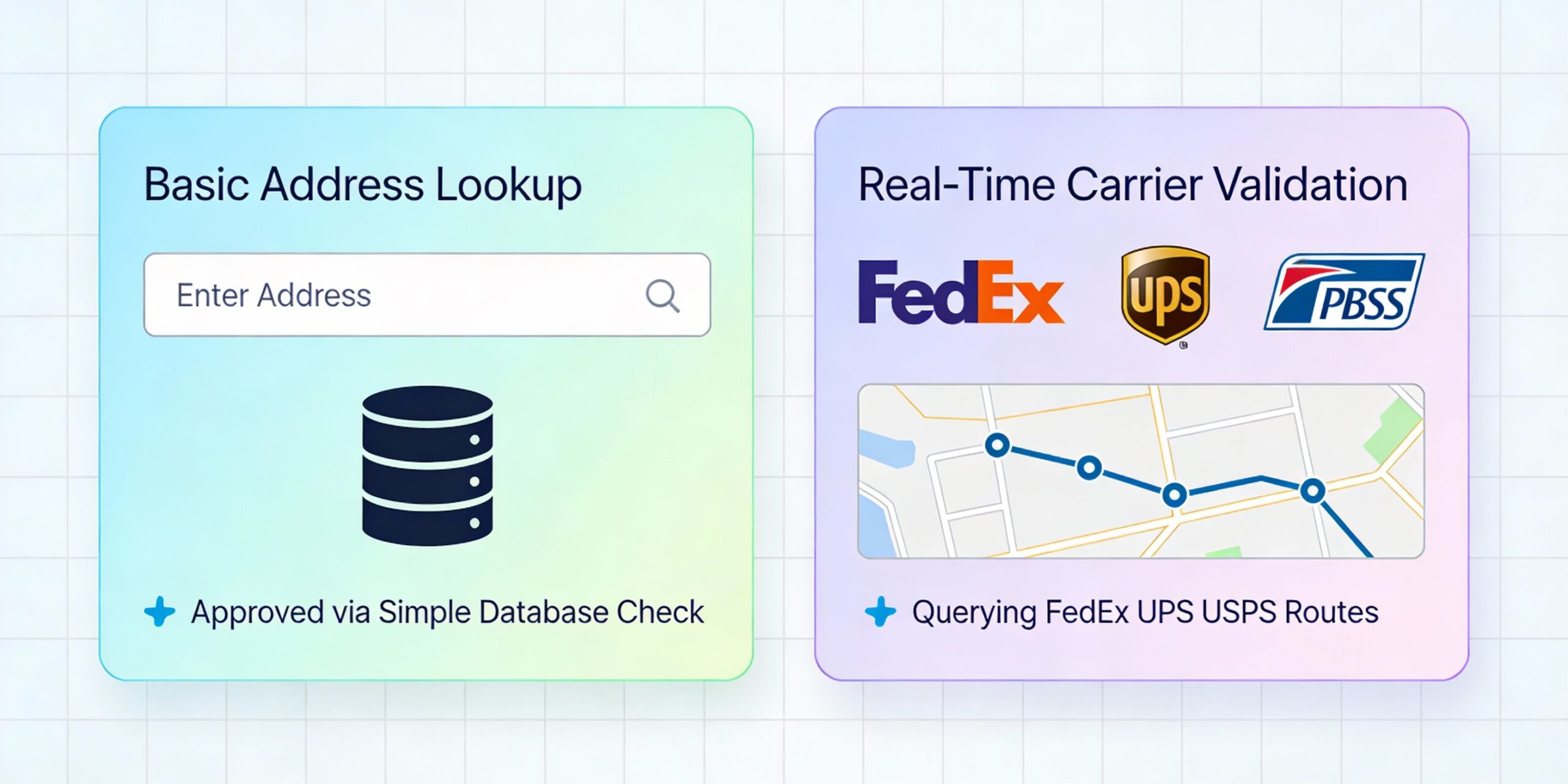
- It has to be real-time. At checkout, in your CRM, everywhere. Catch errors before they happen.
- The API needs to be simple. It should plug into your stack—Shopify, Magento, whatever—without an IT project.
- It needs to understand local formats. An address in Tokyo is different from one in Berlin. The tool has to get that right.
Don’t buy any tool. Buy the right tool for where you’re going. This started with a ghost in the machine. It ends with a blueprint for a better business. The address verification market is set to hit $2.6 billion by 2029. Good delivery isn’t a nice-to-have. It’s table stakes. This is about having clean data. That data improves everything: conversions, loyalty, marketing, and your future AI plays. The question isn’t if you can afford to fix this. The real question is: can you afford not to?
The brands that win tomorrow are the ones who fix the basics today. Go fix your addresses.