
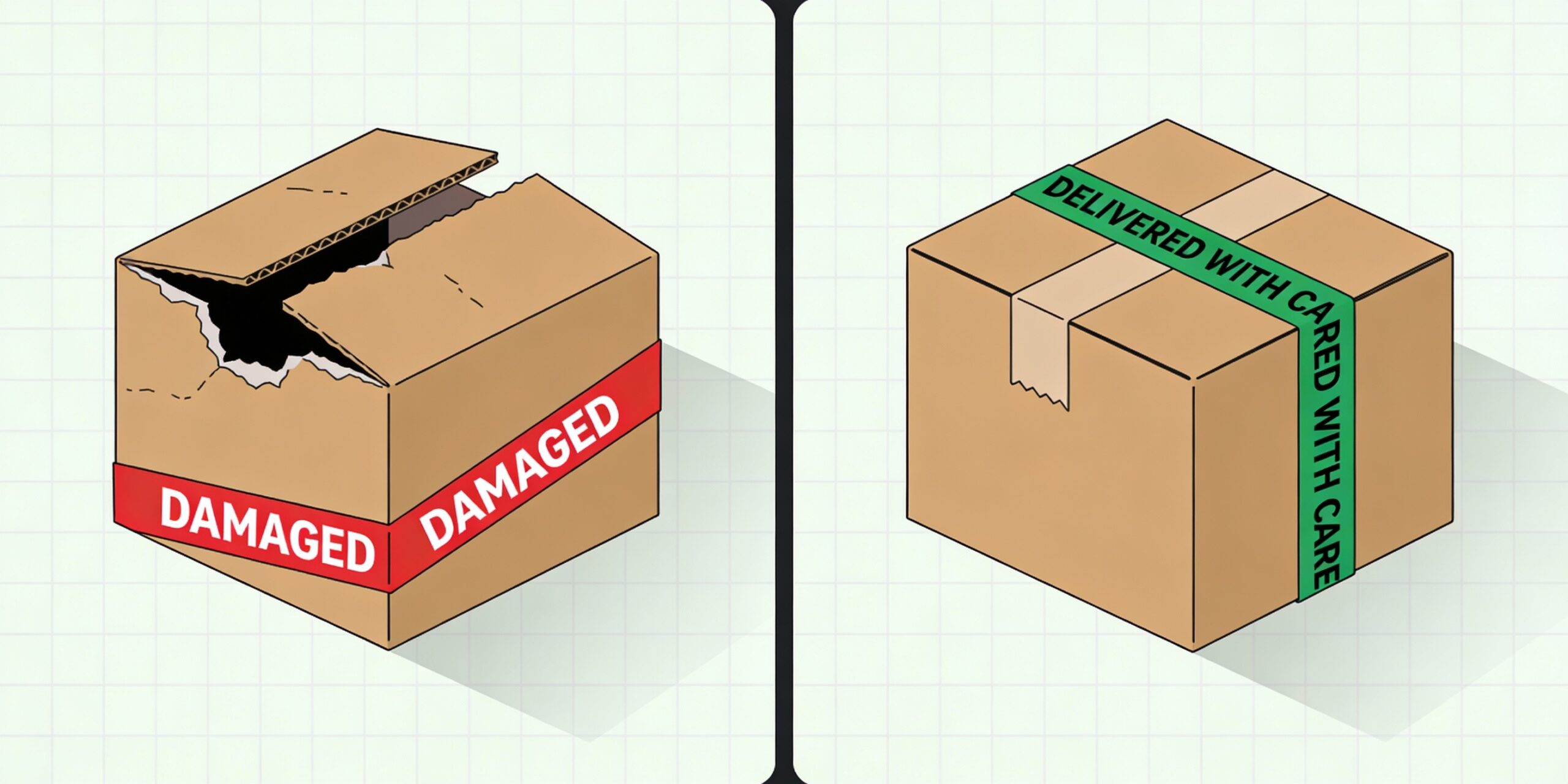
Everyone thinks a damaged package is a lost customer. They’re wrong. A damaged package isn’t a disaster. It’s your single biggest opportunity to build lasting loyalty and turn an angry customer into a brand advocate. This is the service recovery paradox in action. We’re talking real numbers. 93% of customers are likely to make repeat purchases with companies that offer excellent customer service. That’s the goal.
Real talk: most brands get this wrong. And it costs them.
That one bad review isn’t just one lost customer. A single negative review can cost your company 30 potential customers. That’s a month’s worth of ad spend, gone. It gets worse. Zendesk found that over half of consumers will switch to a competitor after just one bad experience. And for damaged goods? A study by Pregis found that 73% of people said they would be unlikely to repurchase from a company after receiving a damaged item. That’s not a bad day. That’s your Q4 revenue taking a direct hit. But flip that script. What if you could turn that negative into pure gold?
Here’s the thing: service isn’t a cost center. It’s a profit center when you do it right. Proactive service recovery is a proven revenue driver. It’s not damage control; it’s growth. The data is clear. Businesses that reply to at least 25% of their reviews average 35% more revenue. This isn’t theoretical. It’s a direct line from your support inbox to your bottom line. So, how do you do it? Let’s get tactical.
One-Hour Rule
It takes a customer from fuming to a fan in 60 minutes. This is your make-or-break moment. Your goal isn’t just to fix the problem. It’s to amaze them with how fast and how well you fix it.
1. Respond in under an hour.
Speed is everything. Don’t wait. Don’t let the ticket sit. Acknowledge it immediately. Companies that respond to a complaint within an hour are 60% more likely to retain that customer. This one move puts you lightyears ahead of the competition. Set up alerts. Prioritize these tickets. Drop everything.
2. Acknowledge, apologize, and own it.
Your first words determine everything. “We are so sorry this happened. This is on us, and we’re going to make it right.” That’s it. No excuses. No blaming the carrier. Even if it is the shipper’s fault, taking full ownership is crucial for building goodwill. The customer bought from you, not the shipping company. Their problem is your problem.
3. Over-deliver on the solution.
Don’t just fix it. Make them say “wow.” Offer options, and make them generous. Immediately ship a replacement—and send it with expedited shipping. Offer a full refund and a discount on their next purchase. Give them store credit that’s worth more than the original item. The goal is to make the resolution so painless and impressive it completely overshadows the initial problem. This is how you create the hyper-loyal customers the service recovery paradox describes.
Okay, the problem is solved. The new package is on its way. The work isn’t done. Fixing the issue is table stakes.
4. Getting the public validation is the win.
You’ve earned the right to ask. Here’s the move: You fixed it. They’re happy. Now ask. The data shows that after a company takes action on feedback, an incredible 89% of customers are willing to share a positive review. They want to tell the story of how you turned a bad situation around. A day or two after the replacement arrives, send a quick, personal email.
"Hi [Customer Name], just wanted to follow up and make sure you received your new [Product Name] and that everything is perfect. We were so sorry about the initial issue and hope we've made things right."
If they respond positively, follow up with the ask:
"That's so great to hear. If you have a moment and feel we've earned it, we'd be grateful if you'd consider updating your original review. It makes a huge difference for our team."
A personalized response makes consumers 33% more likely to upgrade their review. So make it personal. Now for the proactive fix.
The best customer service is no customer service.
Service recovery is your secret weapon, but preventing damage is the ultimate goal. Use every damaged package report as a piece of free R&D. Look at your reviews and support tickets. See any patterns? Is it always the same product? The same corner getting crushed? The same carrier? This is how brands like Starbucks use sentiment analysis to be proactive about customer experience. They don’t just solve problems; they analyze the data to stop them from happening again. This isn’t an abstract idea. A furniture retailer was able to reduce its product damage by 70% by using better packaging and corner protectors.
What’s your version of better corner protectors? Find it. Fix it. That’s the playbook. A damaged package is a test. Pass it, and you don’t just save a customer—you create an advocate. Go turn a 1-star review into a 5-star today.