
I’ve looked inside dozens of DTC brands. The ones quietly hitting their margin goals have one thing in common. It’s not ad spend. It’s not AOV. They’re obsessive about one tiny detail in their checkout: the shipping address field.
Here’s the thing: that little field is either making you money or costing you a fortune. There’s no in-between.
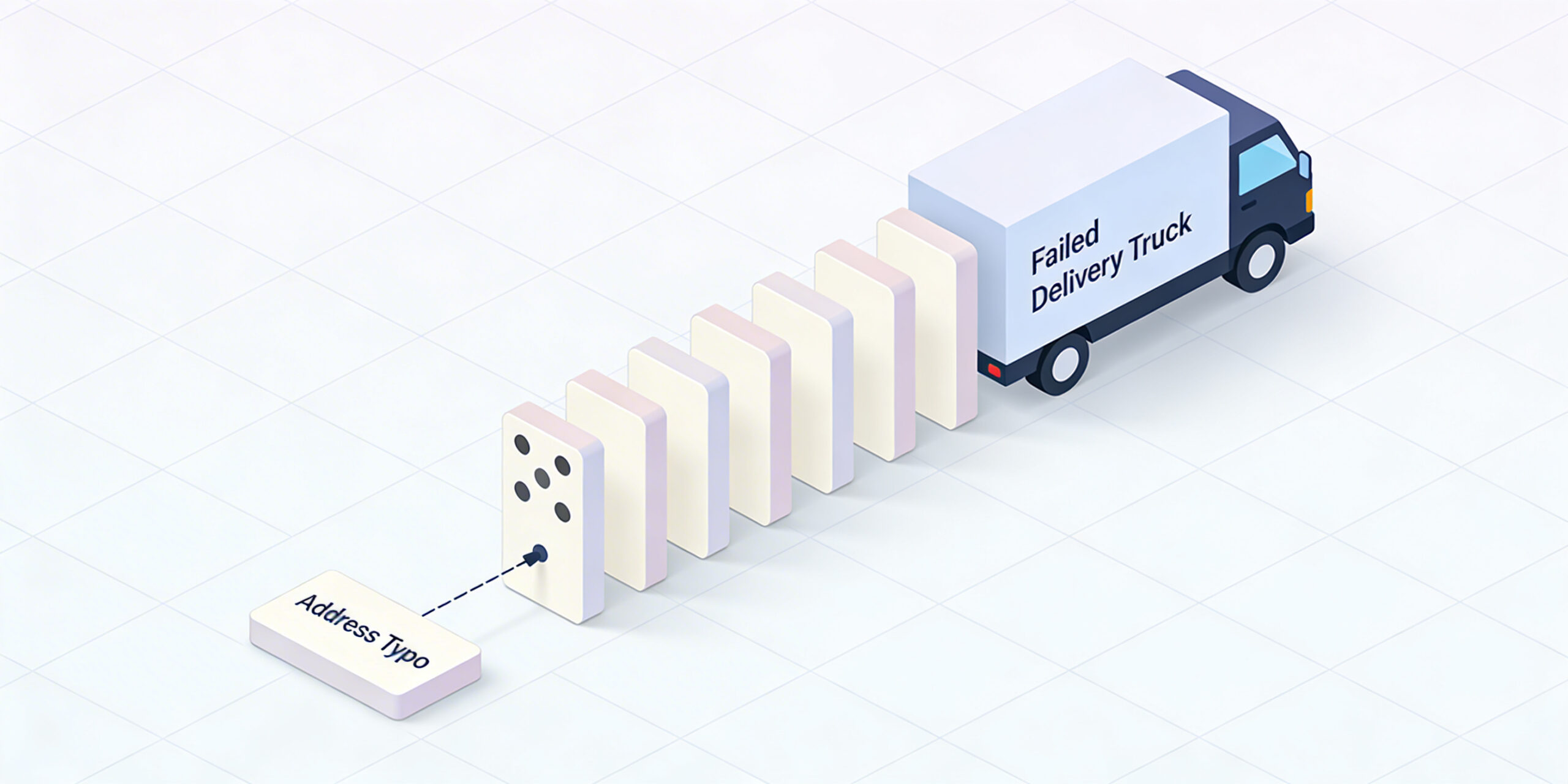
You’re probably getting hit with address correction surcharges. UPS charges an $18.00 fee per package for a simple fix. FedEx is even higher at $19.50. For a brand with just 20 incorrect addresses a week, that’s over $18,000 a year straight out of your margin. Gone. But that’s not the real cost. The surcharge is just the entry fee to a much bigger problem. A single bad delivery is a brand killer. After one failed delivery, 73% of customers won’t make a repeat purchase.
Think about that. You lose almost three-quarters of those customers for good over a typo. And losing them is expensive. Returning customers spend 67% more than new ones. You do the math. This problem is getting worse, not better. The rate of undeliverable addresses is projected to climb to 13.1% by 2025. At the same time, carriers are giving you less room for error. The USPS’s “Delivering for America” plan is actively lowering on-time delivery targets. The buffer is gone. So, how do the smart brands avoid this profit leak?
Real talk: you have to stop playing defense.
This is your 10-minute fix. Four simple plays that stop bad addresses before they become expensive problems.
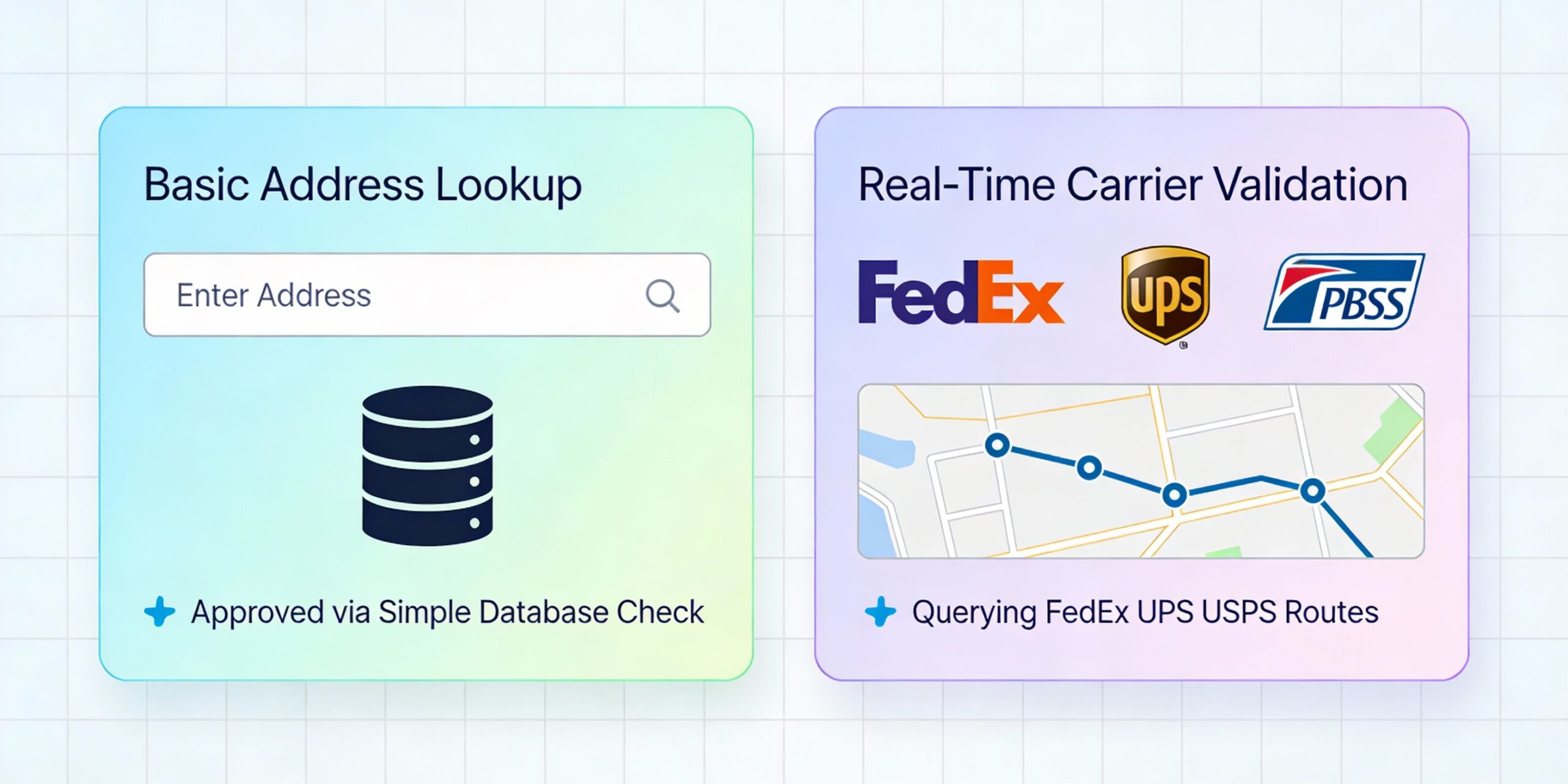
- Verify on entry. This is non-negotiable. Stop bad data before it ever hits your system. Use a real-time, CASS-Certified tool at checkout that checks the address against the official USPS database as the customer types. It’ll instantly flag typos, missing apartment numbers, and invalid zip codes. This is your first line of defense. The entire goal is to shift from reactive correction to proactive prevention.
- Use autocomplete. This is a two-for-one. Address autocomplete suggests verified addresses as the customer types. It reduces typos and makes checkout faster. Before you ask: yes, this also boosts conversion. Less friction, more sales. It’s a better user experience that also happens to clean your data.
- Let customers fix their own mistakes. Even with validation, some addresses will be ambiguous. Instead of creating a support ticket, automate it. Flag suspicious addresses and send an automated SMS or email nudge before you ship. “Hey, looks like there might be a typo in your address. Click here to confirm or edit.” This turns a headache into a self-service win. You avoid a support call, which can cost anywhere from $2.70 to $5.60 per interaction, and the customer feels in control.
- Clean your existing data. Don’t make them re-enter and re-verify their address every time. Periodically run a cleanse on your customer database to standardize and update addresses. This makes their next purchase seamless and prevents old, bad data from causing new problems.
You might be thinking this sounds like a lot of work. It’s not. This isn’t about adding headcount to manually check orders. This is about automation. The market for address verification platforms is growing for a reason—it’s projected to reach nearly $4 billion by 2033. Brands are realizing manual checks don’t scale. Look at a brand like Senkels. They found that 4-7% of their addresses were incorrect. Trying to fix that manually was “too time-consuming and ineffective.” Automating it was the only move that worked. End of story. The tools are API-first and integrate cleanly. This isn’t a six-month IT project.
The payoff is simple. You stop burning money on surcharges and failed deliveries. And you protect the customer relationship. Good address data tools have been shown to reduce customer churn by an average of 15%.
That’s the playbook. Don’t overthink it. Stop letting typos drain your margin. Go test this today.